
While aging between 44 and 60 accelerates due to several biological factors, you’re not powerless. Prioritizing a healthy diet, exercise, stress management, and sleep can slow the process. Let’s break down the science behind this midlife acceleration and what you can do about it.
The Hormonal Havoc Begins

Credit: Africa Images
Hormones are kind of like your body’s Wi-Fi signal—strong in their youth but unpredictable after 44. Women experience menopause, which leads to lower estrogen and bone loss. Men deal with declining testosterone, which causes fatigue and muscle shrinkage. This results in a noticeable drop in vitality and resilience.
Your Cells Start Retiring Early

Credit: Getty Images
Cells don’t work forever. Eventually, they hit a "senescence" mode—meaning they stop dividing and start emitting inflammatory signals. These zombie-like cells build up between 44 and 60, accelerating aging and increasing the risk of chronic diseases.
DNA Repair Services Slow Down

Credit: Canva
Daily exposure to pollutants, UV rays, and even stress damages DNA. While young bodies repair these errors efficiently, midlife slows down this process. The result is more cellular dysfunction, wrinkles, and a higher risk of age-related diseases.
Epigenetics: When Your Genes Get Confused
Credit: Syda Productions
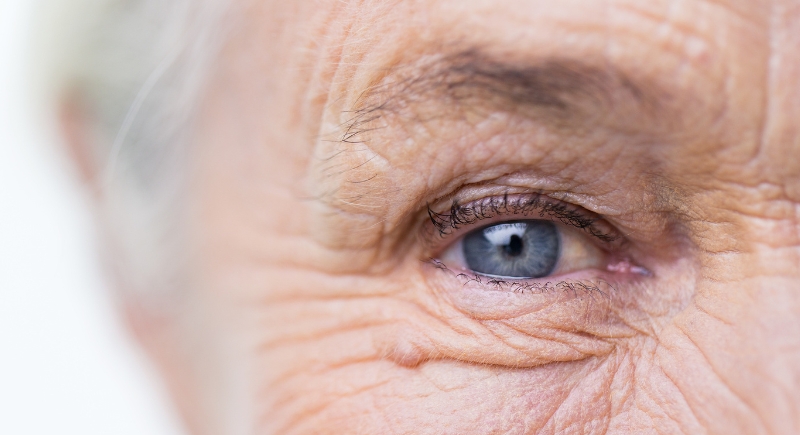
Epigenetic changes—modifications in how genes express themselves—become more erratic with age. This can turn healthy genes off and problematic ones on, which accelerates wear and tear on the body. Midlife is when these changes pick up speed.
Power Outage: Mitochondria Struggle

Credit: Getty Images
Your mitochondria, the energy factories of cells, lose efficiency over time. By midlife, they generate less power and release more damaging free radicals. This means sluggishness, muscle loss, and an increased risk of degenerative diseases.
Your Past Catches Up With You

Credit: Getty Images
Decades of poor diet, sedentary habits, and stress don’t go unnoticed. The lifestyle choices made in your 20s and 30s show up like a long-overdue bill. Midlife is when conditions like obesity, diabetes, and heart disease make their presence known.
Environmental Damage Piles Up

Credit: Getty Images
Pollution, UV radiation, and toxins don’t just affect the environment—they wear down your body, too. After decades of exposure, your skin loses elasticity, and your organs work harder to compensate for accumulated damage. By 44, the signs become impossible to ignore.
Metabolism Hits the Brakes

Credit: Creativa Images
Remember when you could eat a pizza and not gain a pound? Those days fade around midlife, when the metabolism slows down, leading to weight gain and lower energy levels. Without adjustments in diet and activity, extra pounds settle in for the long haul.
Your Immune System Clocks Out Early

Credit: Canva
The body’s defense system weakens over time—a process called immunosenescence. By 44, your ability to fight off infections declines and makes illnesses more frequent and recovery slower. This also increases the risk of age-related conditions.
Telomeres Shorten—The Aging Timer Speeds Up

Credit: Getty Images
Telomeres are like the plastic tips on shoelaces that serve to protect your DNA. Each time cells divide, telomeres shrink. When they get too short, cells stop functioning properly and accelerate aging. Midlife marks a critical point where this process speeds up.
Oxidative Stress Goes into Overdrive
Credit: akaratwimages
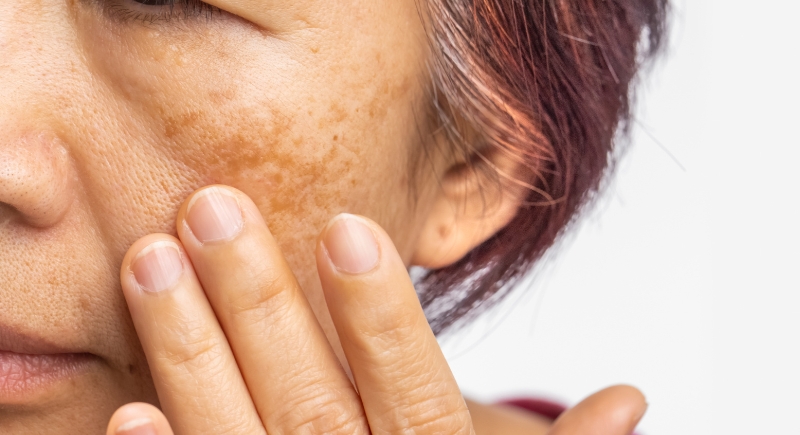
Aging creates an imbalance between free radicals (unstable molecules that damage cells) and antioxidants (which fight them off). This oxidative stress ramps up in midlife and leads to faster skin aging, muscle loss, and increased disease risk.
Chronic Inflammation Becomes Your New Normal

Credit: Getty Images
Low-level, persistent inflammation—often called “inflammaging”—is a key driver of aging. By 44, the body’s ability to regulate inflammation weakens and contributes to everything from arthritis to heart disease.
The Body’s Self-Cleaning System Slows Down

Credit: TimeImage
Autophagy, the process of clearing out damaged cells, declines with age. When this cellular housekeeping slows, old and dysfunctional cells linger, which speeds up aging and disease development.
Memory Lapses Become More Frequent

Credit: Getty Images
Do you forget where you put your keys? Midlife marks the start of cognitive decline due to reduced neurogenesis (the creation of new brain cells) and diminished blood flow to the brain. While it’s not full-blown dementia, your brain’s processing speed and memory recall do take a hit.
Sleep Becomes a Struggle

Credit: Getty Images
Midlife sleep issues are common—whether it’s trouble falling asleep, waking up frequently, or feeling groggy despite a full night’s rest. Poor sleep then goes on to impact everything from immune function to skin health.
The “One-Drink” Hangover

Credit: iStockphoto
Alcohol hits harder after 44 because the liver processes it more slowly, and total body water drops with age. One cocktail can disrupt sleep, spike inflammation, and leave joints aching the next day. Reduced enzyme activity also means toxins linger longer, exaggerating fatigue and brain fog.
The 60-Year-Old “Carb Crisis”

Credit: iStockphoto
Carbs stop behaving the same way near 60. Muscle mass shrinks, insulin sensitivity declines, and glucose gets cleared from the bloodstream more slowly. The same pasta dinner once burned for energy now fuels weight gain and blood sugar spikes, accelerating metabolic aging and increasing diabetes risk.