
Many adults raised during the 1970s and 1980s share similarities in being shaped by a different kind of parenting—less curated, more instinctive. Decisions weren't filtered through parenting books or online forums, and expectations often rested on tradition rather than trends. What might seem outdated now was considered normal then. That era's hands-off, straight-talking approach helped mold a generation into who they are today, for better or worse. Its influence still lingers in unexpected ways.
Unsupervised Neighborhood Play

Credit: pexels
Back then, parents barely glanced out the window while kids vanished for hours, roaming blocks like little locals with big plans. They could be hopping fences, knocking on friends' doors, or biking till sunset, and their only rule was to be home before the streetlights. A 1981 study in the "American Journal of Public Health" showed outdoor play averaged three hours daily, but today it's closer to 30 minutes.
Minimal Car Seat and Belt Use
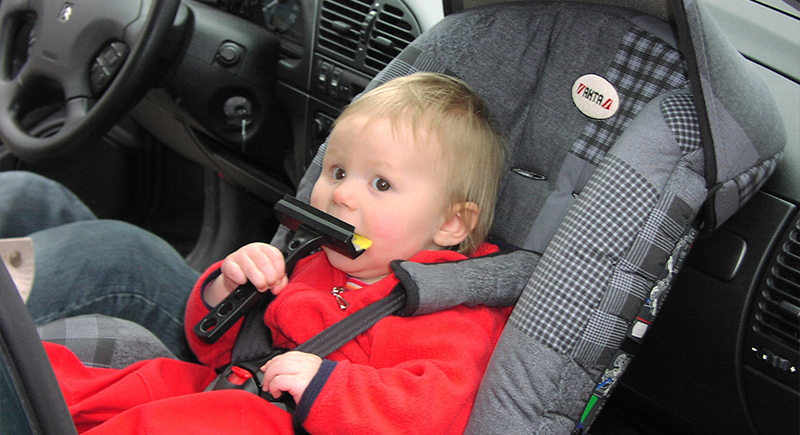
Credit: Wikimedia Commons
Sliding around in the backseat with no belt in sight was normal, and car seats were optional accessories until 1985. Most families had one shared seat—if any—and it often doubled as a booster or was left in the trunk. Laws tightened later, but then, the car ride felt more like a low-budget amusement park than a safety zone.
Latchkey Kids
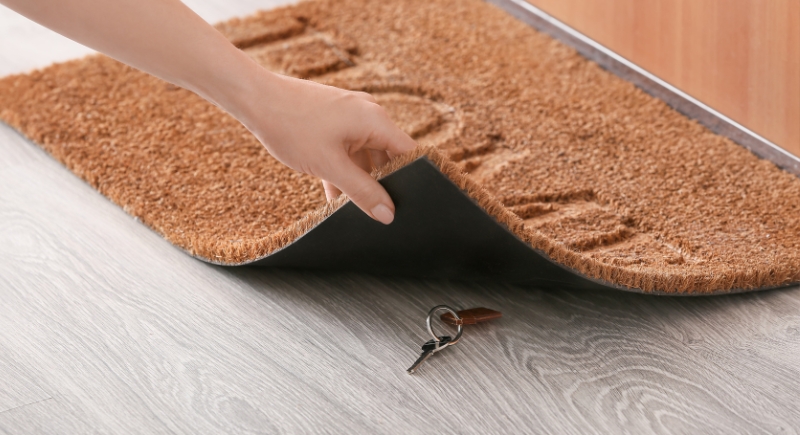
Credit: Canva
Many kids came home to an empty house, used their keys, made their snacks, and handled afternoons solo. With both parents working, latchkey life became a cultural norm. By 1984, over 2 million kids were caring for themselves after school, according to the Census Bureau. The daily routine was microwave popcorn, reruns, and no supervision.
Corporal Punishment

Credit: Canva
Getting spanked was more common than a timeout, and most parents didn't hesitate to use a wooden spoon, belt, or bare hand. It wasn't hidden either—many schools paddled kids until the 1990s. All states except New Jersey allowed corporal punishment in schools well into the 1980s. Kids learned quickly that consequences often came with a sting.
Limited School Involvement

Credit: Getty Images
Parents rarely showed up for class parties, never heard of parent portals, and barely knew their kids' teachers' names. Report cards came home in backpacks without any digital alerts. There were no emails, no check-ins, and no helicopter hovering. If a parent showed up at school, it probably meant you were being pulled out early—and not for anything fun.
Independent Conflict Resolution

Credit: Getty Images
When two kids clashed, parents rarely jumped in unless there was blood or broken furniture. You were expected to sort it out, shake hands, and move on. That kind of hands-off attitude shaped kids who learned to stand their ground fast. It wasn't always pretty, but it gave plenty of '70s and '80s kids a crash course in handling drama solo.
Processed and Convenience Foods

Credit: Canva
You grew up on whatever could survive the freezer, heat up in minutes, or came in a box with a toy. Meals weren't about balance but speed. Hamburger Helper, TV dinners, and canned soup were regulars on the table. It wasn't gourmet, but for a generation raised this way, those flavors still bring back oddly comforting memories.
Exposure to Mature Media

Credit: Canva
Kids back then watched whatever was on without much censorship. Parents rarely checked ratings or previewed content. R-rated movies and edgy jokes were part of the living room experience. That early exposure is definitely questionable.
Early Household Chores
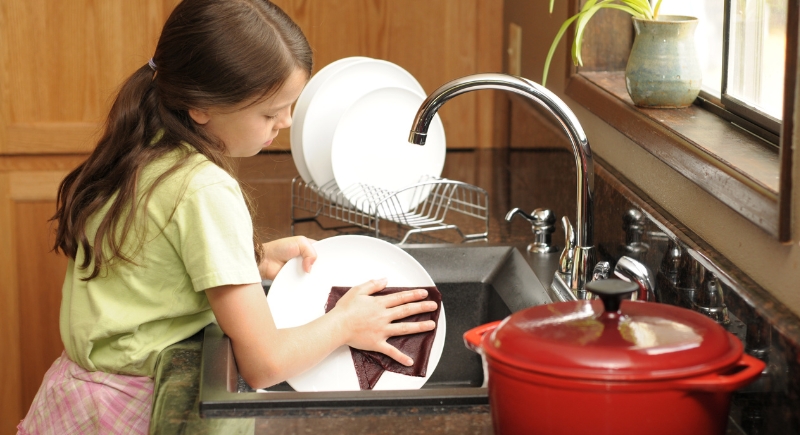
Credit: Getty Images
There were real jobs for kids that ranged from folding laundry to mowing lawns. Parents expected help without much coaxing or reward charts. You didn't ask why; you simply grabbed the broom and got moving. That old-school approach to chores built responsibility fast, even if it sparked a few dramatic sighs.
Limited Emotional and Mental Health Discussions

Credit: Canva
Few parents talked openly about feelings, and therapy wasn't something you mentioned at dinner. Emotional stuff was often brushed aside with a "you'll be fine." Kids were left to figure things out on their own.
Permissive Parenting

Credit: Getty Images
For some households, rules were more like suggestions, and discipline came with a shrug. Parents didn't micromanage everything, and the vibe was often "figure it out yourself." It wasn't about ignoring kids but about letting them run their show.
Leaving Kids in Cars Unattended

Credit: Getty Images
It wasn't weird to wait in a car while your mom ran errands. Windows cracked, keys in the ignition, and sometimes even the engine running. No one panicked or called the cops, as it was seen as safe enough. That kind of casual trust in the world feels foreign now.
Bicycle Riding Without Helmets

Credit: pexels
Helmets weren't cool when riding a bicycle, and almost no kid wore one unless they had a super cautious parent. You'd ride fast, take sharp turns, and hope for the best. A few scrapes were considered a fair trade for freedom. Bike safety looked very different in those days, and the rules were more about fun than protection.
No Sun Protection

Credit: Canva
Long afternoons in the sun meant tans, not sunscreen. Parents rarely reapplied anything, and most kids walked around pink as bubble gum by evening. SPF barely made an appearance unless someone was headed to the beach.
Secondary Smoking Exposure

Credit: iStockphoto
Cigarette smoke was everywhere in the 1970s and 1980s. Parents lit up at the dinner table, during road trips, and even while holding a baby. Smoking indoors was widely accepted at the time. Only later did research clearly link secondhand smoke to asthma, ear infections, and other health risks in children. Back then, few people questioned it.
Unlimited Sugar and Caffeine Access

Credit: iStockphoto
Sugary cereals, neon sodas, and sweet snacks filled kitchen cabinets without much debate. Kids poured their own bowls and grabbed refills without anyone counting grams of sugar. Caffeinated colas were standard, even for younger children. Nutrition labels existed, but they were not front and center in family conversations. Moderation was rarely the headline.