
Pickpockets don’t need brute force or high-tech gear to succeed. All they really need is a distracted person in the right place at the right time. Avoiding their traps requires just a little common sense and some small behavior tweaks.
Here are 15 mistakes that pickpockets love—and how not to make them.
Dangling Bags Off One Shoulder Like a Giveaway Ribbon
Credit: Canva
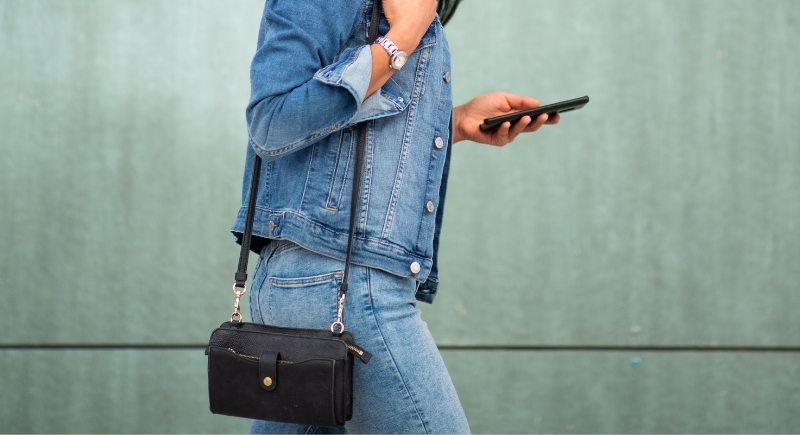
Pickpockets don’t need a crowbar, just a loose strap, and a crowded sidewalk. Letting your purse hang low and behind you is like walking with a “help yourself” sign. Many thieves specialize in grabbing from bags that are out of sight and easy to access during motion. In tight spaces, shift your bag in front or go hands-free with a crossbody to reduce blind spots.
Making a Cash Dispenser Out of Your Wallet

Credit: Canva
If your wallet looks like it moonlights as a filing cabinet filled with bills, receipts, and plastic, it’s time for a reset. Unzipping that in public is an open invitation. A 2022 NYC transit study showed that visible cash exchanges correlated strongly with theft incidents. Use a decoy wallet or prep small bills in advance.
Parking Your Phone on the Table Like It’s Reserved Seating

Credit: Getty Images
Cafés, patios, and food courts are prime hunting grounds. Thieves use menus or even their own coat sleeves to cover your phone and swipe it clean off the table. That “quick set-down” while reaching for a drink can cost you in seconds. Keep your device attached, pocketed, or in sight and in hand, especially during meals.
Watching Videos While Walking, Like the World Isn’t There

Credit: iStockphoto
Walking while streaming feels normal now, but your attention span isn't what it thinks it is. Studies show that screen-focused pedestrians are nearly blind to their surroundings. Pickpockets love this digital daze because it means no eye contact, no reaction time, and no idea they’re being watched. If you need to check your phone, pull over. Sidewalks are for moving, not tuning out.
Not Noticing the Third “Accidental” Bump

Credit: Getty Images
One bump? It could be an accident. Two? Maybe still clumsy. Three? You’re being tested. Coordinated bumping is a pickpocket’s silent language, often paired with distraction techniques or teamwork. They probe your reactions and pocket access without you catching on. If your personal space suddenly shrinks, check your surroundings and make some distance.
Assuming Your Hometown Doesn’t Count

Credit: pexels
It’s easy to relax in familiar places. But cities like Chicago, Atlanta, and New Orleans rank high for petty theft, which often hits locals harder because they’re not expecting it. Tourist traps may draw headlines, but pickpockets love locals who let their guard down at the weekend market or crowded train.
Trusting Pretty Closures Over Secure Ones
Credit: iStockphoto
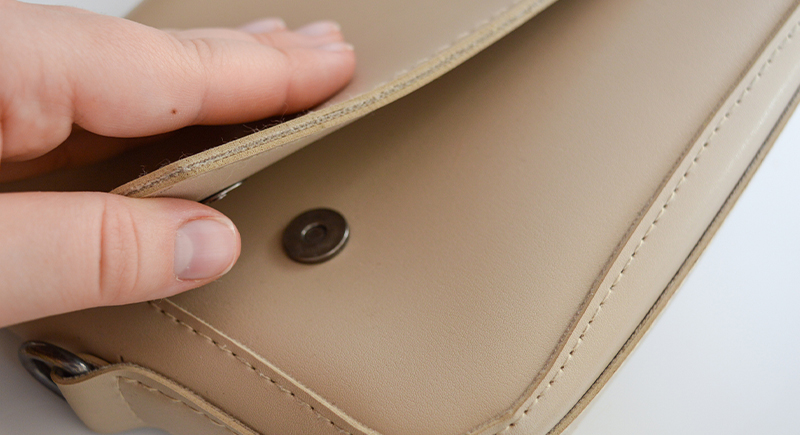
Magnetic flaps and minimalist snaps might look sleek, but they offer about as much resistance as a napkin in the wind. Some bags are designed for fashion, not function, and pickpockets know exactly which ones. They look for weak points: easy-open flaps, gaping tops, or soft sides. Choose accessories that lock up tight and are built for movement.
Tapping Your Pocket Like It’s a Drum Solo

Credit: iStockphoto
It’s a nervous habit most people don’t notice: reaching down every few minutes to confirm your wallet or phone is still there, but pickpockets notice. You're basically giving away the location of your precious belongings. Once they know where the goods are, planning the grab gets easy. Trust your setup. Confidence, not twitchy signaling, is what keeps you safe.
Believing Art Galleries and Airports Are Off-Limits
Credit: pexels
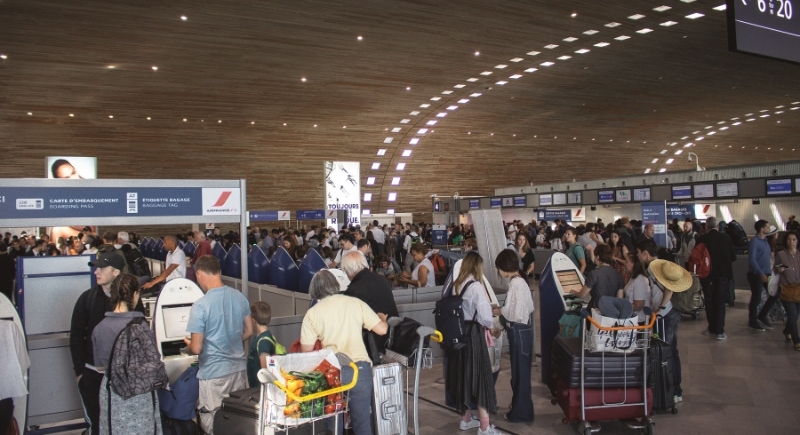
White walls and clean floors don’t stop crime. In fact, they attract it. Museums, airports, and luxury malls are known hot spots because people assume they’re safe. Some thieves dress the part and blend right in. The Louvre and JFK both have regular theft reports despite cameras and guards. Rule of thumb: if it’s crowded, stay alert, no matter how fancy the flooring.
Spinning in Place While Looking for a Street Sign

Credit: iStockphoto
That telltale tourist twirl (looking up, turning around, glancing at your phone) alerts pickpockets that you're unsure of your environment. Confusion is a weakness they exploit. If you need to figure out directions, step away from foot traffic, take a breath, and regroup with your back against a wall.
Wearing Clothes That Can’t Hold Anything Securely

Credit: Canva
Clothing can sabotage you, too. Pants with shallow pockets, coats that gape open, or styles without closures make your valuables easy to grab and hard to feel disappearing. Pickpockets love loose fits and unzipped designs. If you're going light on bags, balance your outfit with one zippered or concealed pocket to anchor anything important.
Pausing for That “One Quick Signature”
Credit: Canva
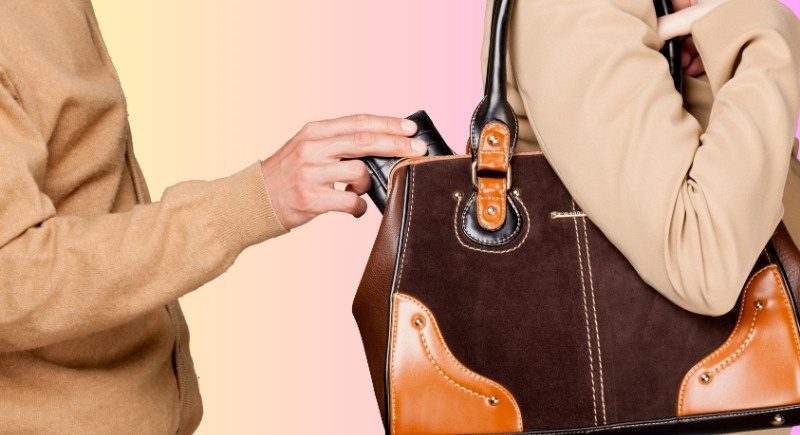
Someone steps in front of you with a clipboard and a friendly smile, asking for just a moment of your time. While you're focused on the conversation, their partner could be quietly lifting your wallet or unzipping your bag. These distraction tactics are common in busy public areas. If something feels off, trust your instincts; keep walking, and don’t stop for the pitch.
Reserving a Chair With Something You’d Cry About Losing
Credit: pexels
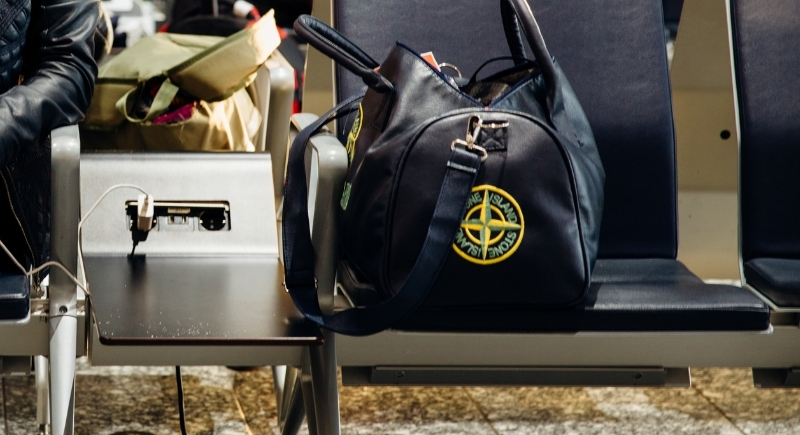
You might trust the space around you, but theft thrives on that kind of optimism. Leaving a bag or camera to hold your seat in a park or terminal assumes someone will respect the unwritten rules of courtesy. Instead, bold thieves claim what’s unattended with confidence.
Becoming a Walking Routine
Credit: pexels
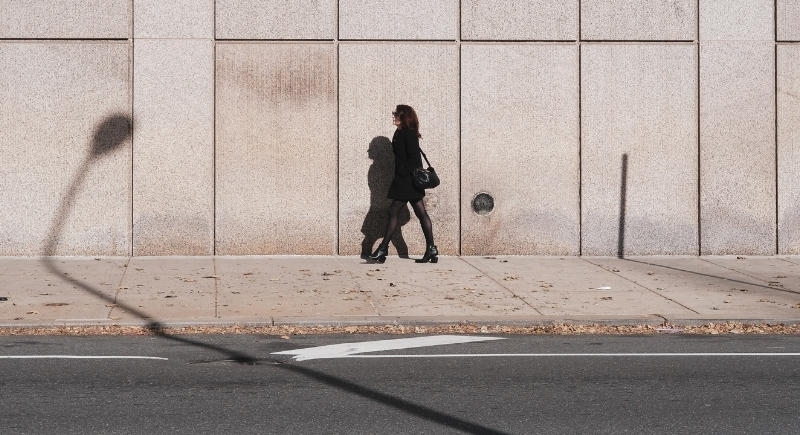
Familiarity makes life easier, but it also makes you easier to track. Pickpockets pay attention to habits, like where you position yourself during your commute or how you carry your gear. Repetition gives them time to plan, so shake things up now and then.
Wearing Headphones Like the World Is Muted

Credit: iStockphoto
Noise-canceling headphones may be great for blocking out engine hum, but they also block out the world. With your ears sealed and your eyes locked ahead, you’re less likely to hear the subtle cues of someone tailing you or unzipping your bag. In high-traffic areas, keep one earbud out or switch to ambient sound mode so you’re not walking in an audio bubble.