
American supermarkets often leave European visitors surprised by their scale, systems, and presentation. And that’s not because the concept is unfamiliar, but because the details don’t quite match what they expect. The stores are bigger, louder, and packed with options that seem both practical and perplexing.
They reflect contrasting attitudes about food, convenience, and consumer culture. These moments often catch travelers off guard and turn a routine grocery run into a cultural surprise.
Soft Drinks Are Filled With Ice by Default
Credit: pexels
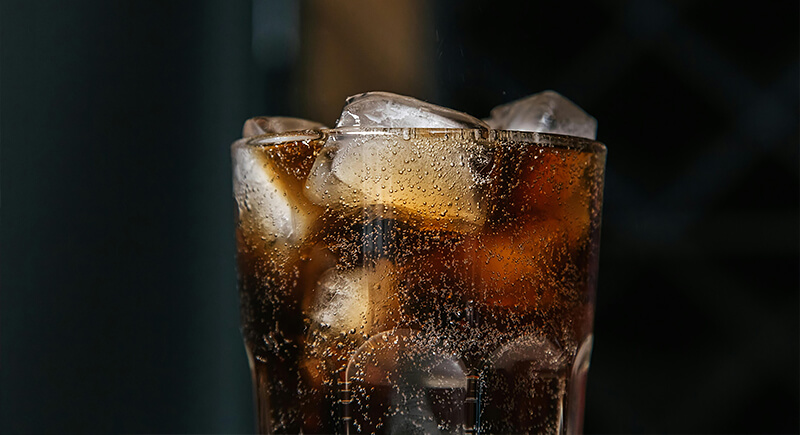
When you order a soda, half the cup may already be full of ice. Americans expect this, especially since free refills make dilution less of an issue. In Europe, drinks come cold but undiluted, which keeps the flavor intact. Visitors often find the ice overload unnecessary or, at best, puzzling.
Meal Portions Are Significantly Larger

Credit: Reddit
Prepared meals in U.S. supermarkets are often sold in sizes that exceed standard single servings. A 2015 Advances in Nutrition review confirmed that portion sizes in the U.S. have increased over time and are larger than in Europe, where smaller package sizes better reflect typical consumption.
Cereal Aisles Span Entire Sections
Credit: Reddit
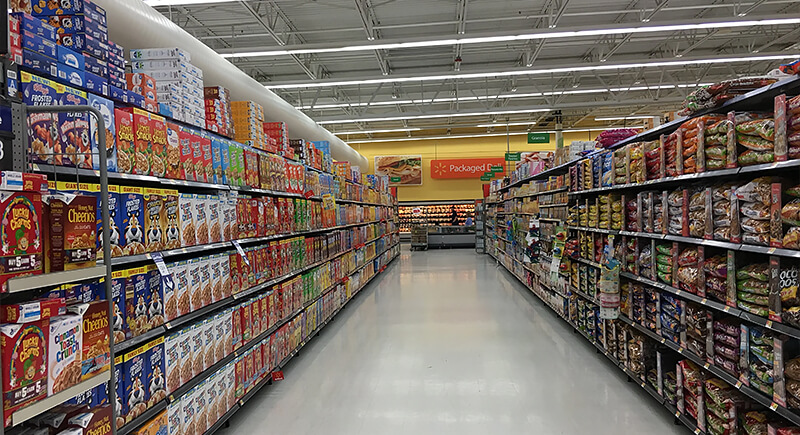
American stores often dedicate an entire aisle to breakfast cereal, with choices ranging from marshmallow-filled boxes to seasonal flavors tied to movie releases. European stores tend to offer fewer brands and far fewer sugar-heavy options. This makes the sheer volume of choices feel excessive by comparison.
Sweetened Iced Tea Is Sold by the Gallon
Credit: Reddit
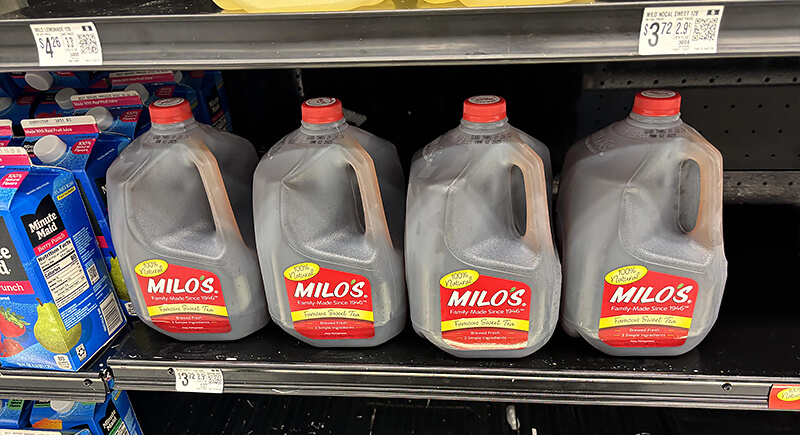
Large refrigerated containers of sweetened iced tea are common in American supermarkets. This product format is rarely seen in European stores, where tea is more often consumed hot and prepared manually. Bottled iced tea exists in Europe but is usually sold in small, individual portions.
Pet Food Packaging Resembles Human Meals
Credit: Reddit
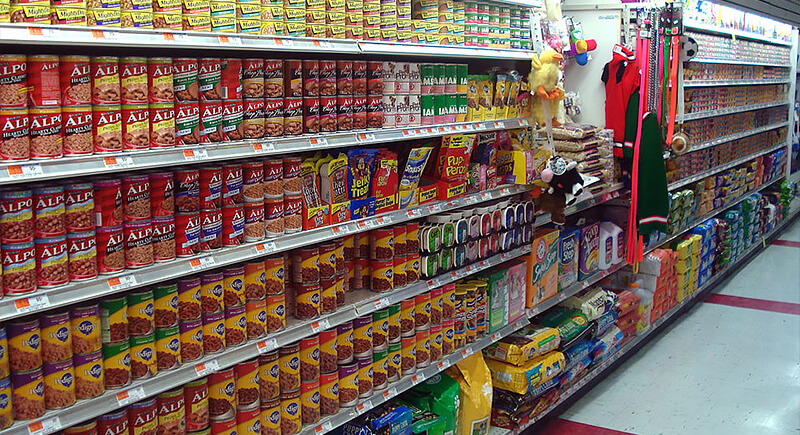
In many stores, pet food labels now read like items from a restaurant menu, with names such as “roast beef entrée” or “chicken stew with carrots.” The packaging often highlights freshness and flavor to appeal to owners as much as pets. In Europe, the approach is plainer, emphasizing clear ingredients and simple presentation over style.
Grocery Bagging Is Done by Employees
Credit: Reddit
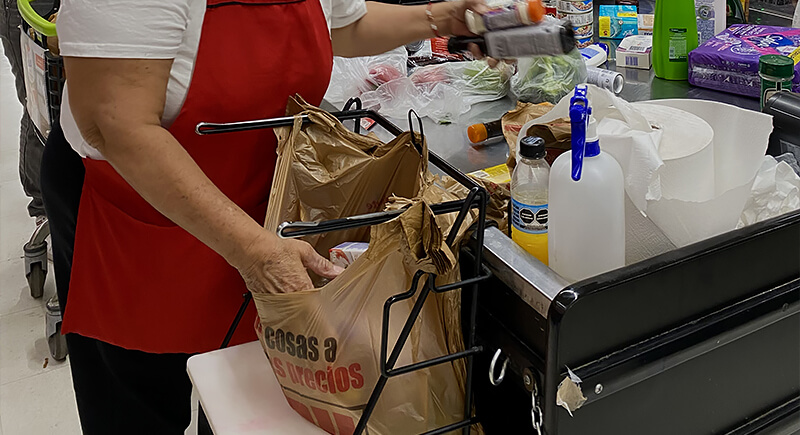
In most American supermarkets, a staff member will pack your groceries after checkout. This contrasts sharply with self-bagging setups across Europe, where customers handle it themselves. For first-time visitors, the added assistance can feel either thoughtful or oddly inefficient.
Ordering Fresh Food Includes Multiple Customization Questions
Credit: Getty Images
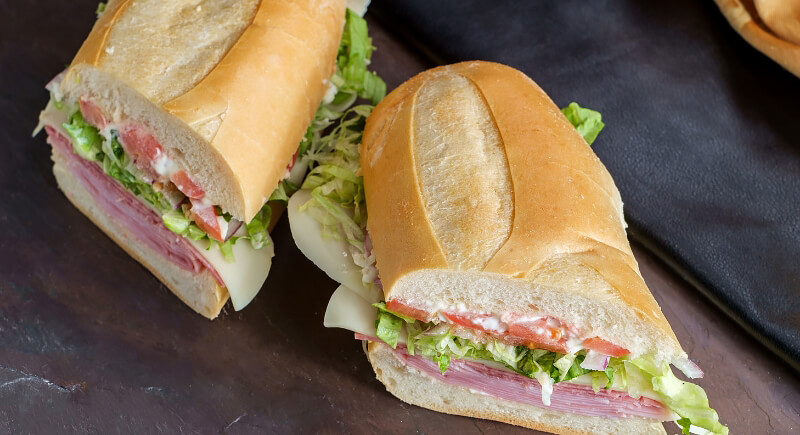
In many European supermarkets, deli items come pre-made or with fewer variations, which makes ordering faster but less personalized. But what happens when you ask for a sandwich in the U.S.? You’ll likely be met with a string of follow-up questions: bread, cheese, condiments, heating preference, and toppings. U.S. delis lean toward customization.
Sales Tax Is Not Included in the Listed Price
Credit: Canva
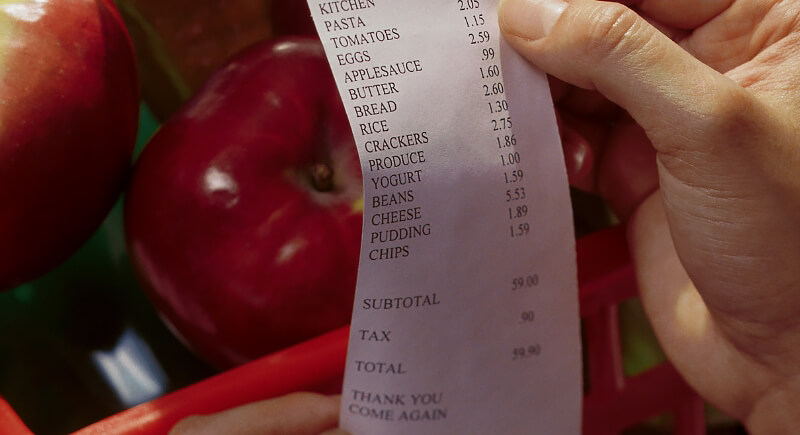
Shelf prices in the U.S. exclude sales tax, which is calculated and added at checkout. European countries include VAT (Value Added Tax) in the displayed price. This means that the final cost is clear upfront. The lack of price transparency at the register often confuses first-time visitors to the U.S.
Eggs and Milk Are Always Refrigerated
Credit: Wikimedia Commons
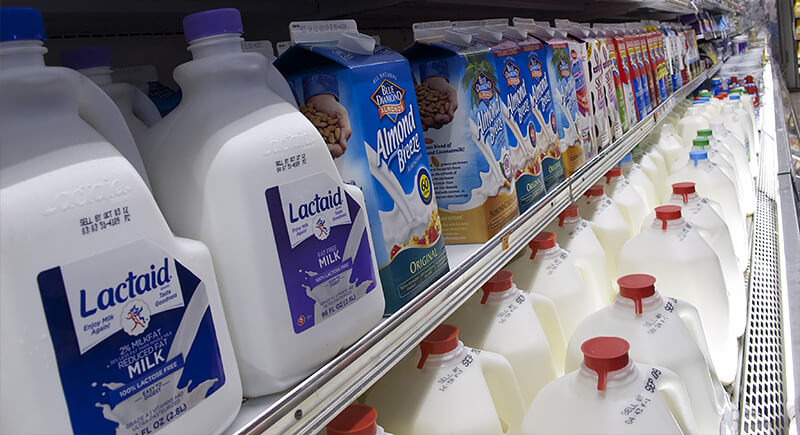
American food safety rules require both eggs and milk to be refrigerated. Since U.S. eggs are washed and lose their protective coating, room-temperature storage isn't allowed. In Europe, eggs often stay unwashed and sit on regular shelves, which looks odd to Americans but feels completely normal elsewhere.
Product Variety Can Be Overwhelming
Credit: Wikimedia Commons
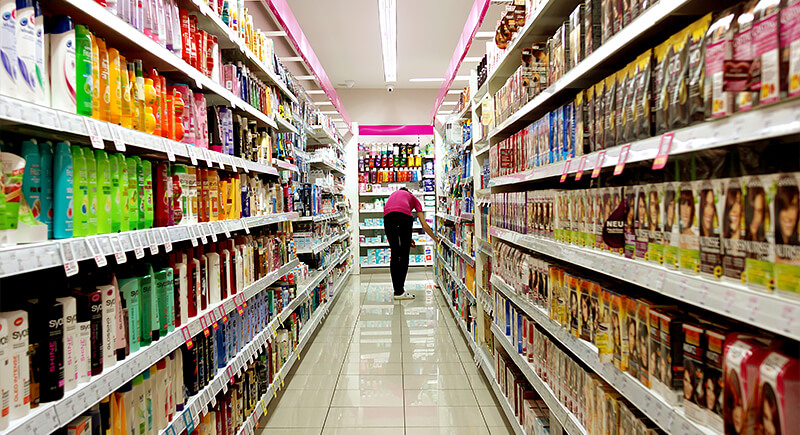
Many American stores offer five or six brands of the same item, along with multiple sizes and flavor variations. For visitors used to curated selections, the duplication can feel overwhelming. Even something simple like yogurt might take minutes to sort through.
Supermarket Cakes Are Pre-Decorated and Ready to Buy
Credit: Reddit
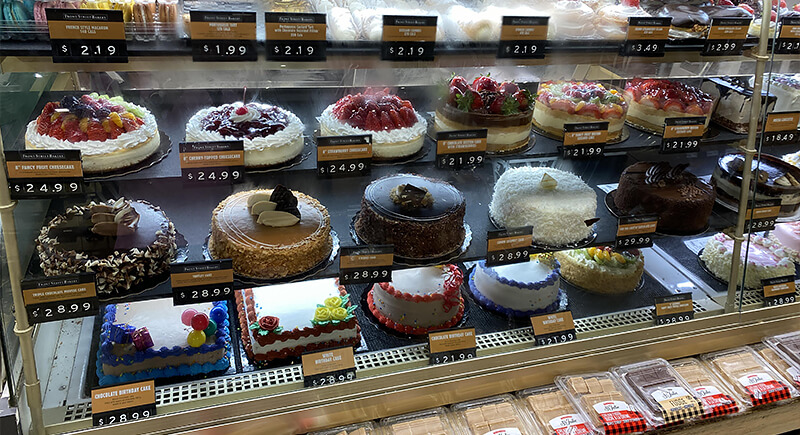
American grocery stores frequently stock fully decorated cakes for events like birthdays and holidays. These cakes are available without pre-order and often resemble custom bakery goods. In many European stores, cakes are smaller and made to order when specific designs are required.
Some Stores Are Open 24 Hours a Day
Credit: iStockphoto
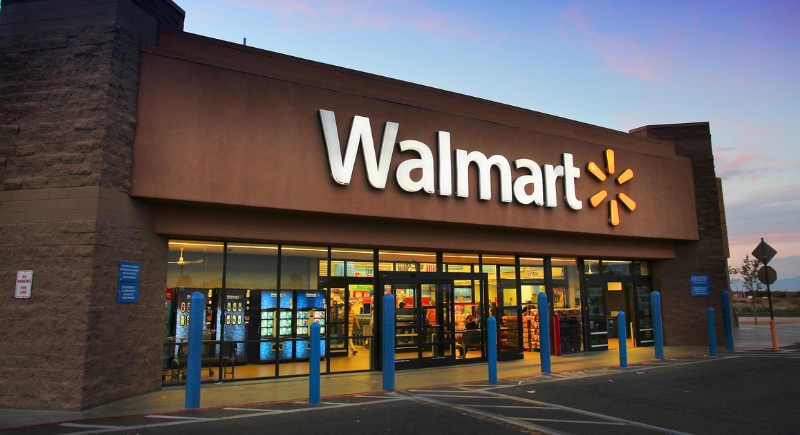
Many supermarkets in the U.S.—particularly chains like Walmart—operate around the clock. In Europe, supermarket hours are typically limited, with evening and Sunday closures common due to labor laws and cultural norms. Shoppers visiting the U.S. often notice the increased access to late-night grocery shopping.
Shopping Carts Don’t Require a Coin Deposit
Credit: Wikimedia Commons
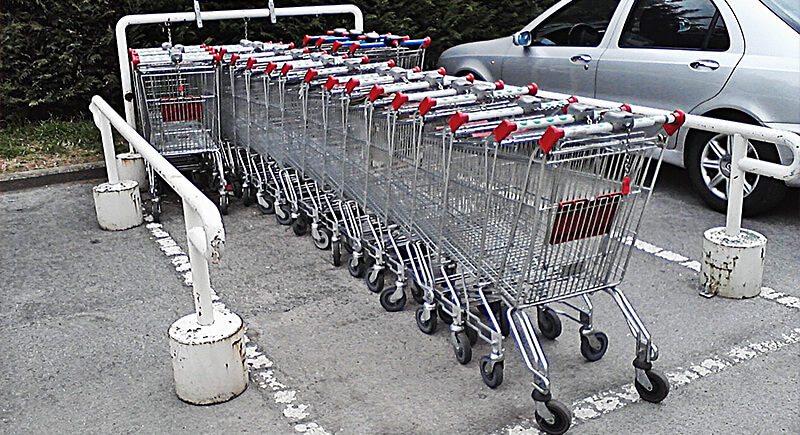
In European stores, shoppers often insert a coin to unlock a shopping cart and retrieve the deposit when the cart is returned. This system minimizes abandoned carts and reduces staffing needs. Most American stores don't use this approach, except for discount chains like Aldi.
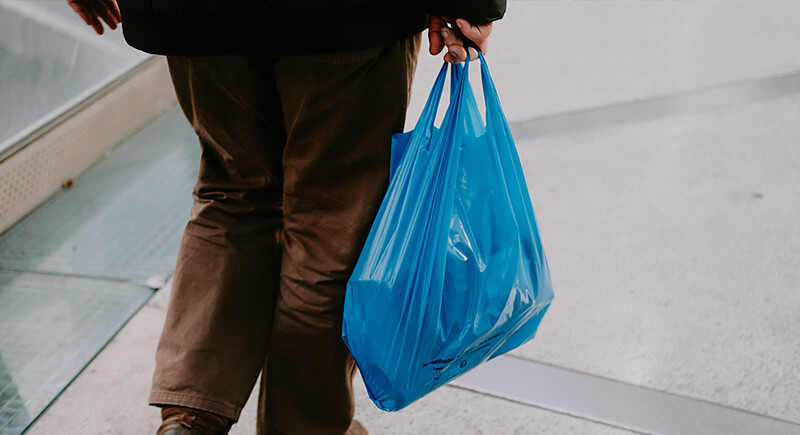
Plastic Bags Are Still Widely Available for Free
Credit: pexels
Although eight U.S. states have enacted bans or fees on single-use plastic bags, most American supermarkets still provide them at no charge. In the EU, bag fees and bans are common due to a 2015 directive aimed at reducing plastic waste across member states.
Frozen Meals Often Lack Vegetables

Credit: Reddit
Many frozen entrees in U.S. stores center around heavy portions of pasta, meat, or cheese, often with barely any vegetables. In Europe, frozen meals tend to lean toward more balanced nutrition or include vegetable sides. The contrast reflects regional habits in both cooking and eating.