
The fork has not always been an accepted part of the dining experience. Historical accounts reveal how its introduction into European table customs drew criticism, religious objections, and claims of impropriety. Clergy members condemned its use, commentators called it excessive, and some writings linked it to vanity and social corruption.
Its adoption spread gradually through trade, aristocratic influence, and shifting expectations surrounding etiquette.
Eating Before The Fork Arrived

Image via Wikimedia Commons/Marie-Lan Nguyen
Archaeological records indicate that fork-like tools existed in ancient Egypt, Greece, and Rome, although they were primarily used for cooking or carving rather than personal dining. Hands served as the primary means of eating in most cultures, with spoons used for liquid dishes and knives used to cut or transport food.
Shared platters and direct handling of bread and meat shaped social dining traditions across Europe. By the Middle Ages, two-tined forks appeared in elite settings in the Middle East and the Byzantine Empire, but they remained rare elsewhere.
Eating with fingers had cultural and religious approval in many regions, and written records framed it as customary before forks became common.
The Fork’s First Scandal
The first widely reported controversy associated with the use of the fork took place in the 11th century. A Byzantine noblewoman, Maria Argyropoulina, married into Venetian nobility and used a small golden fork during her wedding feast.
Religious figures denounced the practice, arguing that hands were given for eating and should not be replaced with forks. Her early death later became part of a popular tale claiming divine punishment, and the association between fork use and vanity appeared often in clerical commentary.
Similar objections resurfaced later, including comparisons between the fork and imagery linked to the devil’s pitchfork. The visual similarity made it easier for critics to claim that adopting the utensil reflected unwanted cultural influence and moral decline.
How Elite Tastes Helped The Fork Spread
Over time, the fork gained traction in Italian dining culture, especially as pasta dishes became more prevalent. Slippery noodles made the utensil worthwhile, and wealthy merchant families adopted it as a marker of refined table manners. Italian influence played a significant role in spreading fork customs northward, particularly through dynastic marriages.
When Catherine de’ Medici joined the French court in the 16th century, she brought trained culinary staff, structured table customs, and silver forks. Her presence helped reinforce the acceptance of forks among French aristocrats, and they became linked with etiquette and formal dining. Such patterns also appeared in Poland and Lithuania after Bona Sforza brought Italian court practices into those regions.
Resistance In England And America
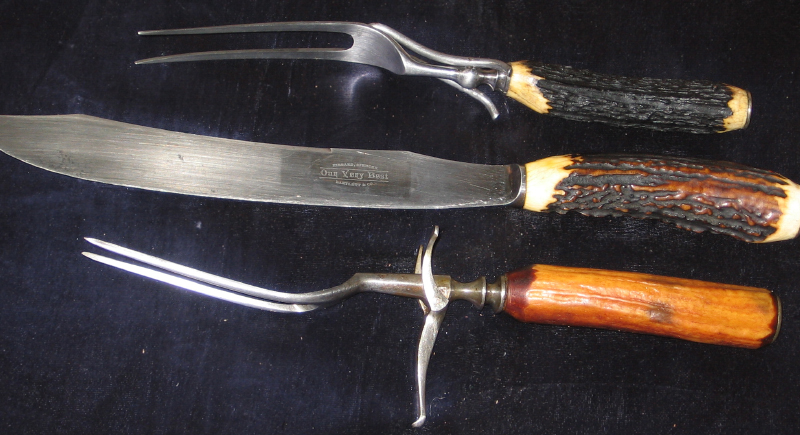
Image via Wikimedia Commons/David R. Ingham
English commentary in the 1600s framed fork use as unnecessary and overly delicate. Travel accounts describing fork-using Europeans triggered mockery rather than admiration. Forks gained respect in England once court culture shifted toward more regulated dining behaviors and personal place settings.
Fork adoption lagged in the American colonies partly because British taxes made them less accessible. Early American eating habits reflected a knife-and-spoon method that involved switching utensils between hands, and that pattern continued as a distinct American style.
Design Shaped Acceptance
The earliest table forks had two prongs, which made them awkward for picking up food. French development in the late 1600s introduced curved four-prong styles that held food more effectively and encouraged wider adoption. By the 18th century, etiquette manuals listed forks as standard tableware, and by the 19th century, they had become widespread across Europe and among broader social groups.
Victorian preferences expanded the utensil’s role and led to the development of specialty forks for oysters, fish, salads, pastries, and other dishes. Eventually, mass production also lowered their cost.
Where The Fork Stands Today
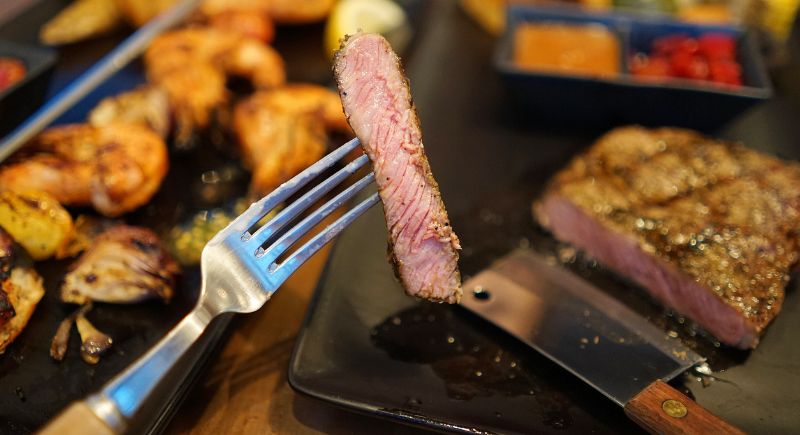
Image via iStockphoto/Chettarin
Fork use is now widespread in Western dining culture, but global eating practices remain varied. Many regions maintain traditions of hand-eating, and current food trends highlight shared dishes and casual environments that move away from strict etiquette.
Even in restaurants, expectations surrounding fork technique have relaxed, and cultural exchanges have widened acceptable ways of eating.