
Today’s kids grow up surrounded by technology, convenience, and constant connection, but earlier generations knew a world of simpler joys, analog challenges, and oddly memorable inconveniences. Here are 15 everyday childhood experiences that would completely baffle modern kids.
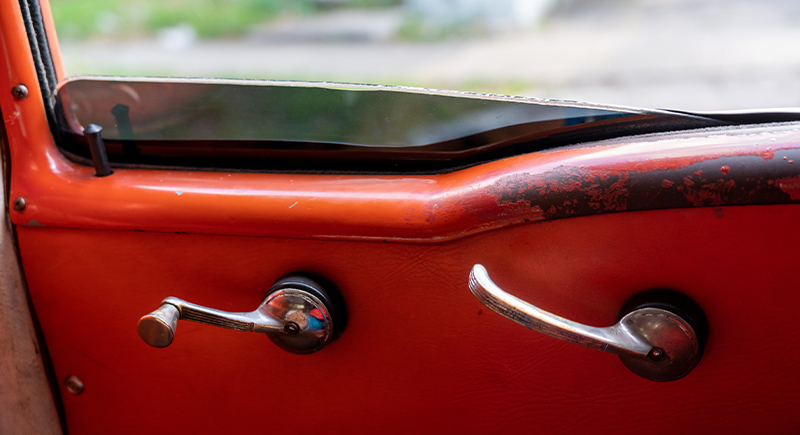
Manually Rolling Down Car Windows
Credit: iStockphoto
Cranking a car window took real wrist power. There wasn’t a button, just a knob you had to spin around to get a breeze. Air conditioning was also optional. Kids stretched out across the back seat without seatbelts, while the only thing stopping them from flying forward was a parent’s outstretched arm.
Saturday Cartoons Were an Event

Credit: iStockphoto
If a favorite show aired at 8 a.m. on Saturday, that’s when it had to be watched. There was no pausing, recording, or streaming later. Many families had only one TV with a handful of channels, and it was common to adjust the antenna just to get a clearer picture.
Finding Friends Meant Biking the Neighborhood

Credit: Canva
Texting to make plans didn’t exist. Kids knocked on doors, called from landlines, or rode bikes around the block to see who was home. If no one answered, the next house got a visit. Parents didn’t hover, either; the system worked as long as everyone showed up before dinner.
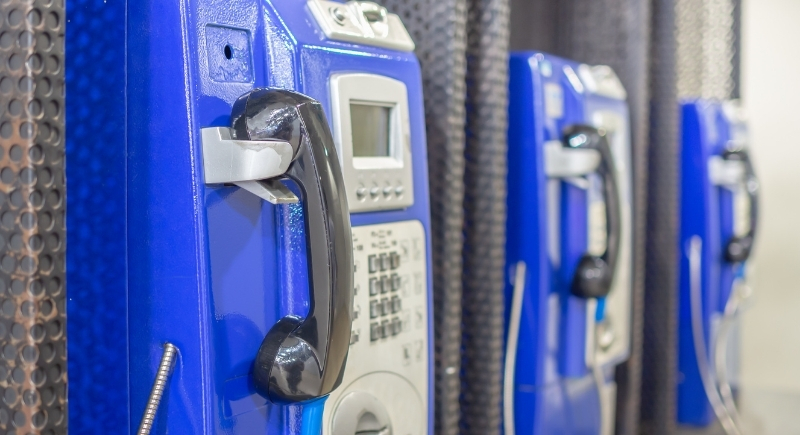
Using a Pay Phone Required Spare Change
Credit: Getty Images
Public pay phones weren’t just for emergencies. Everyone kept a few quarters or dimes handy, just in case. The process involved finding a booth, hoping it wasn’t out of order, and feeding coins before you could even say hello. If you ran out of change mid-conversation, that was the end of it.
Map Reading Was a Real Skill

Credit: Canva
Planning a trip involved unfolding a giant map that took up the whole car dashboard. Following it meant tracing tiny roads with your finger and hoping you didn’t miss a turn. If you got lost, the GPS didn’t recalculate. You found a gas station and asked someone.
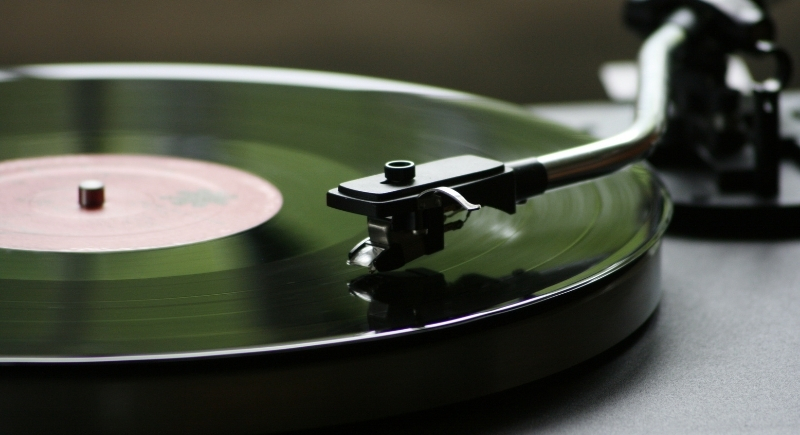
Record Players Took Precision
Credit: pixabay
Listening to music wasn’t as simple as tapping a screen. Vinyl records needed to be handled carefully, or one scratch could ruin an entire album. When the record finished, someone had to physically flip it over to hear the other side.
Corded Phones Kept Conversations Public

Credit: iStockphoto
Home phones came with cords and were usually mounted in kitchens or hallways. Conversations happened in full earshot of family members, and privacy depended on how long the cord could stretch. Every number had to be dialed manually using a rotary or push-button layout. Caller ID didn’t exist, so answering was a gamble.
Library Research Meant Card Catalogs

Credit: Canva
The Dewey Decimal System was the roadmap, and school reports weren't powered by search engines. Students visited libraries, pulled out wooden drawers, and flipped through index cards to find books. Copying notes by hand was standard, and references came from printed encyclopedias.
Taking Photos Came With a Wait

Credit: Canva
Cameras used film rolls with limited exposures, typically 24 or 36 shots per roll. Each photo was taken without knowing how it would turn out. Once the roll was full, it had to be developed, often by dropping it off at a photo booth or store and waiting days to get prints.
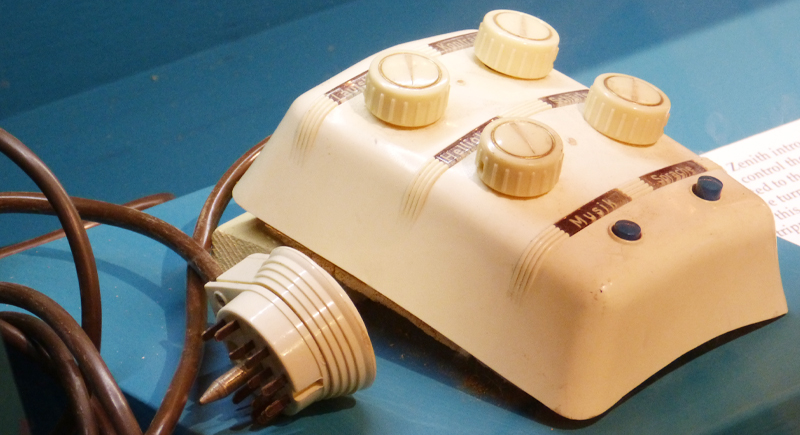
The TV Remote Had a Cord
Credit: Wikimedia Commons
Some early remotes connected to the television with a thick wire. Channel surfing meant going through every station in order. When a show didn’t come in clearly, kids would be asked to stand near the rabbit-ear antenna to improve reception, even if it meant holding still for half an hour.
Board Games Filled Entire Afternoons

Credit: iStockphoto
Kids passed the time with Monopoly, Candy Land, or Jacks. Games often lasted for hours and rarely ended without someone flipping the board in frustration. Yet even with the drama, these moments created memories that stuck longer than any leaderboard score.
Everyone Shared One Family TV

Credit: iStockphoto
Television time was communal. Families gathered in the living room to watch whatever was scheduled while often compromising on what to see. There wasn’t a separate screen in every room, or a tablet to retreat to. Parents had the final say, and if they chose the evening news or a drama, that’s what played.
Commercial Breaks Were Mandatory
Credit: iStockphoto
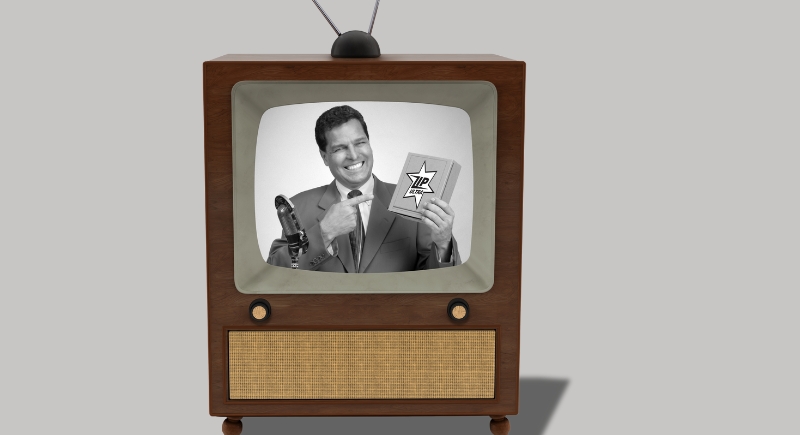
TV didn’t come without breaks. Commercials popped up every few minutes, and you couldn’t fast-forward through them. Kids used the time to run to the bathroom or fight over snacks, but skipping wasn’t an option.
Quiet Time Wasn’t Optional
Credit: iStockphoto
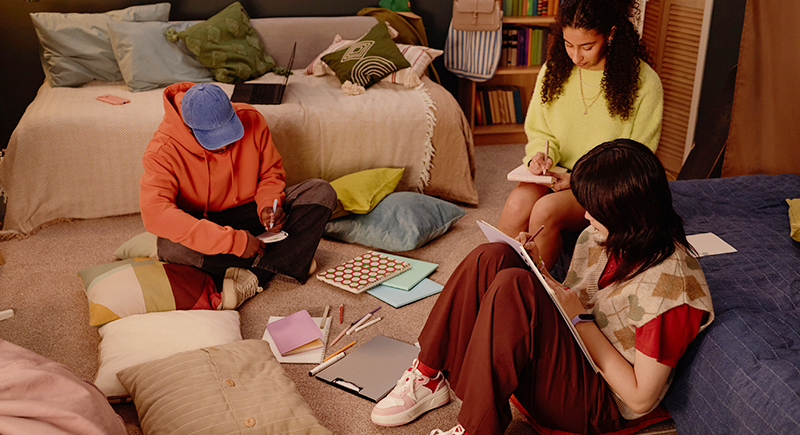
Households used to have designated quiet periods. Parents working night shifts or younger siblings napping meant older kids had to read, draw, or entertain themselves quietly. Running through the house yelling wasn’t tolerated. This low-volume environment taught patience and respect for others’ routines.
Sharing Encyclopedias That Didn’t Update

Credit: pixabay
Many families only owned half the alphabet because the books were sold in volumes. That meant school projects could only be done if the topic fell between A and M. The information was never updated, either, so Pluto might still be a planet, and Russia was definitely still the USSR.