
Before online shopping and big-box domination, department stores were the heart of the American retail experience. In the 1970s, these stores offered everything from fashion and furniture to lunch counters and holiday accessories. They were where people met and bought under one roof. But not all of them survived the decades. Here's what happened to 15 well-known department stores from the '70s that have since disappeared.
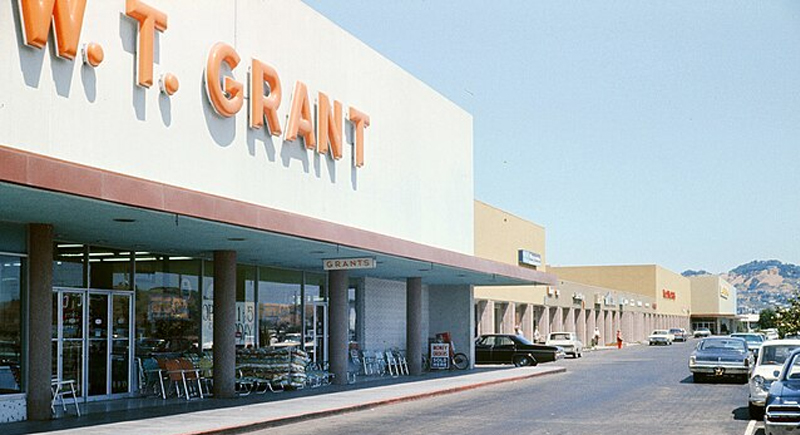
W.T. Grant
Credit: Wikimedia Commons
At one point, W.T. Grant operated over 1,000 stores. But unchecked expansion and a credit program that gave out charge accounts with little oversight spelled disaster. The company filed for bankruptcy in 1976, the largest retail collapse in American history at the time. Its sudden fall left malls scrambling to fill anchor spaces.
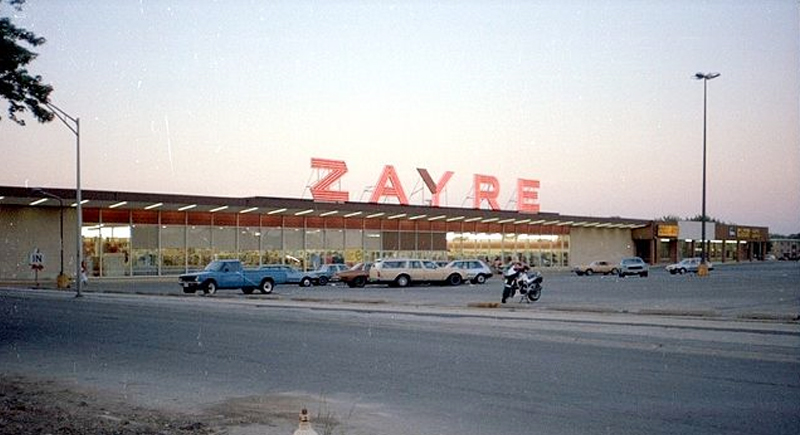
Zayre
Credit: Wikimedia Commons
Zayre was bold: orange signage, cluttered aisles, and prices that lured in deal hunters. It served working-class families well until the late '80s, when the company sold the chain to Ames. Its real success turned out to be its spinoff, TJ Maxx, which now thrives.
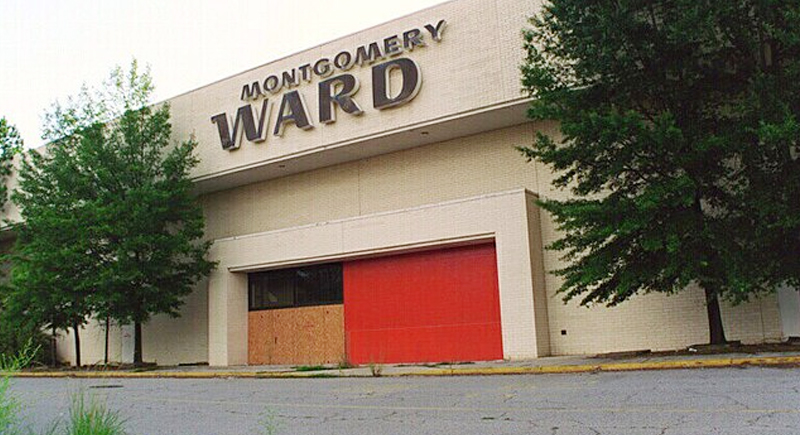
Montgomery Ward
Credit: Wikimedia Commons
This was one of the first stores to master mail-order retail. For decades, Montgomery Ward catalogs shaped consumer life in rural and suburban homes. Unfortunately, competition from Walmart and Target, combined with slow modernization, drained its appeal. By 2001, it closed all physical stores.
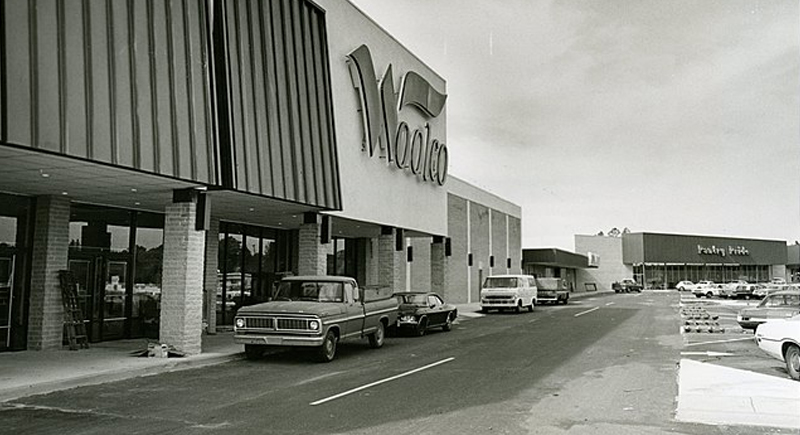
Woolco
Credit: Wikimedia Commons
Woolco was Woolworth’s attempt to compete with Kmart on its own turf. It was big, discount-focused, and suburban. The stores were large enough to get lost in, often with electronics departments and cafeterias in the back. Even so, competition moved faster. By 1983, Woolco had shut down operations entirely in the U.S.. Canada held on for a bit longer before Walmart absorbed those, too.
Hess’s
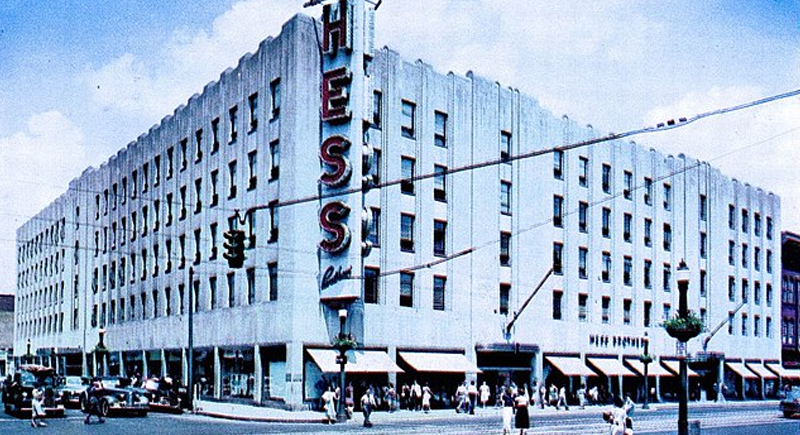
Credit: Wikimedia Commons
It wasn’t just the merchandise that made Hess’s legendary; it was the theatrics. Customers came for high-end fashion but stayed for celebrity appearances and unforgettable holiday displays. The chain eventually couldn’t keep up with changing retail habits. It was sold to The Bon-Ton in the ‘90s, and most locations either closed or rebranded not long after.
Ames
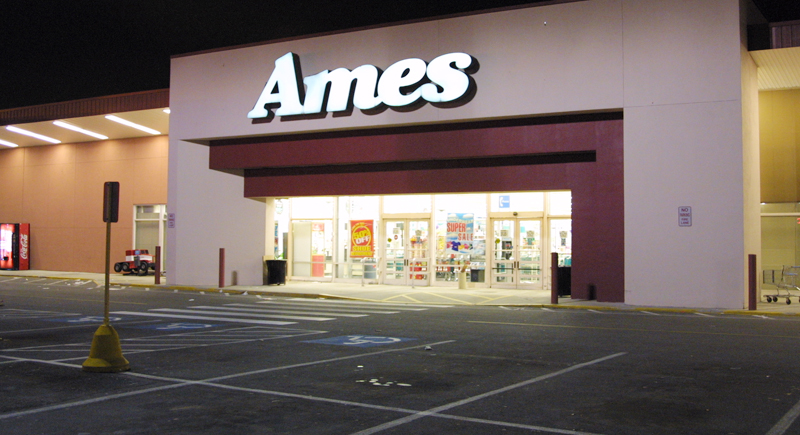
Credit: Wikimedia Commons
Ames grew fast—maybe too fast. It bought up chains like Zayre and Hills, which expanded its reach but also ballooned its debt. At its peak, it had over 700 stores, mostly in the Northeast and Midwest. However, this growth proved unsustainable. The company filed for bankruptcy twice before closing entirely in 2002.
Service Merchandise
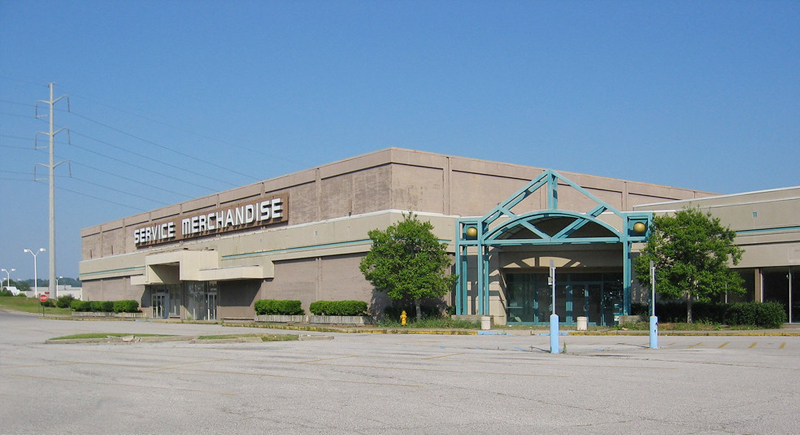
Credit: flickr
Shoppers browsed showroom floors, filled out forms, and picked up their items from a conveyor belt in the back. That was the Service Merchandise formula, and it worked surprisingly well for decades. Eventually, the unique setup felt clunky compared to self-serve chains and online options, and the company folded in 2002.
Gimbels
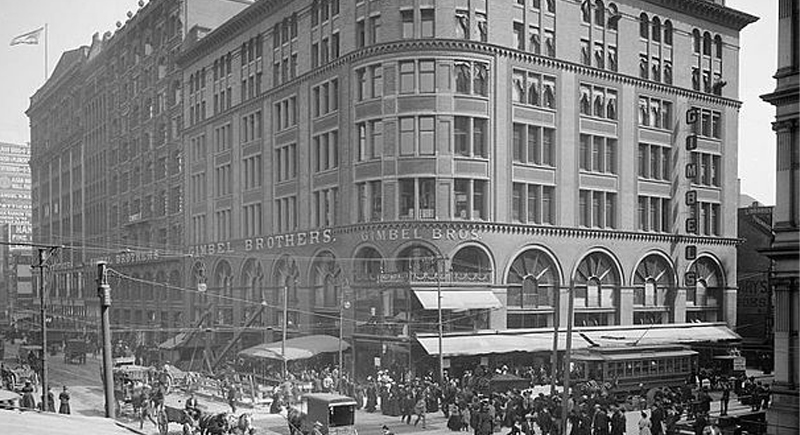
Credit: Wikimedia Commons
Not many stores can say they co-starred in a holiday movie classic. Gimbels did, thanks to “Miracle on 34th Street.” The department store chain had a massive presence in cities like Philadelphia, Milwaukee, and New York. But it struggled through the 1980s and couldn’t find a buyer to sustain it. It eventually closed in 1987.
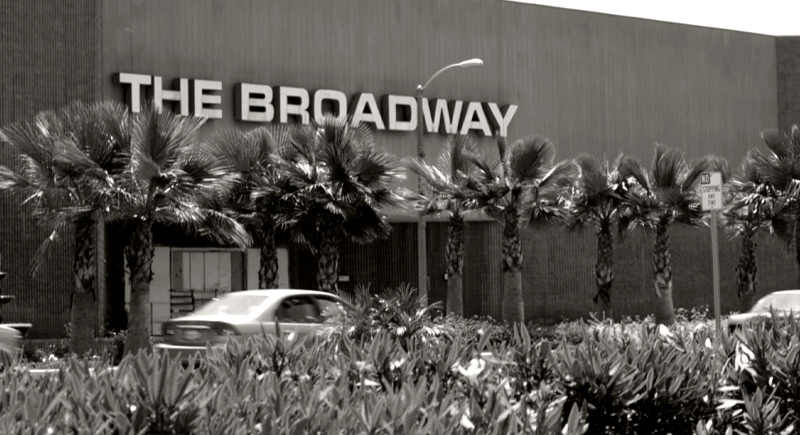
The Broadway
Credit: Wikimedia Commons
West Coasters knew The Broadway well. Its upscale yet accessible image helped it anchor malls across California and neighboring states. The company was acquired in the ‘90s by Federated Department Stores, and most locations were turned into Macy’s. The change marked the end of an era for mall-goers who once bought prom dresses or living room sets under its clean-lined signage.
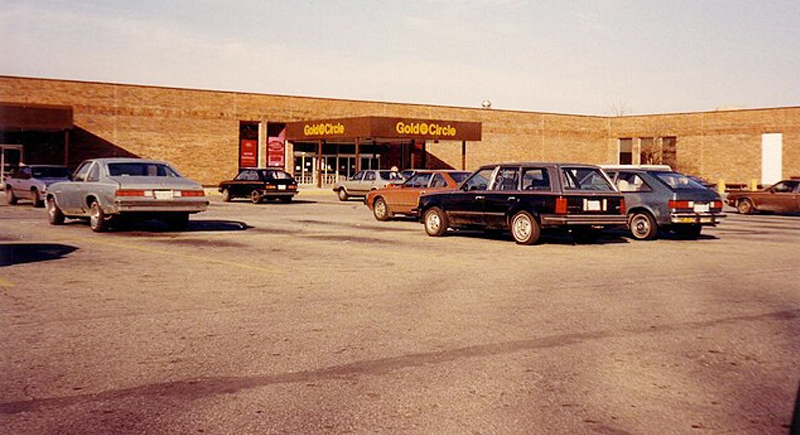
Gold Circle
Credit: Wikimedia Commons
Gold Circle was one of the first to use UPC barcode scanners across all its stores. That detail alone set it apart in the early ‘80s, since it gave shoppers faster checkouts and employees fewer headaches. Despite that innovation, parent company Federated shut the chain down by 1988 as it reshuffled assets.
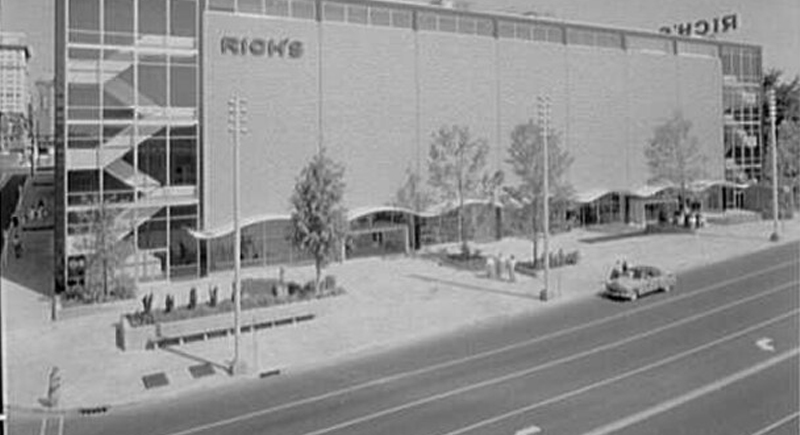
Rich’s
Credit: Wikimedia Commons
In Atlanta, Rich’s was synonymous with holiday cheer. The department store’s downtown location famously hoisted a Christmas tree atop its multi-story building. Though it merged with Macy’s years earlier, the Rich’s name officially disappeared in 2005.
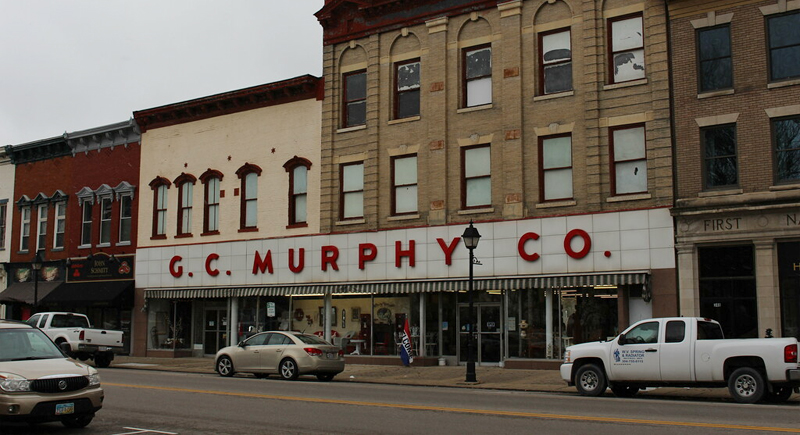
G.C. Murphy
Credit: flickr
As a true five-and-dime chain, G.C. Murphy stores had it all: candy counters, school supplies, and fabric by the yard. It served hundreds of small towns with charm and utility. Most of its stores were absorbed by Ames or shuttered by the late ‘80s. The murals and storefronts still pop up in historic districts.
Robinson’s
Credit: Wikimedia Commons
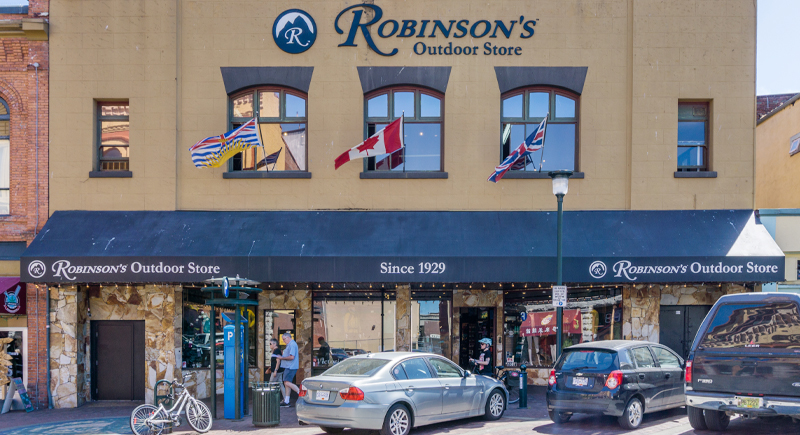
Los Angeles shoppers knew Robinson’s for its mix of trend and tradition, since the store hit the middle-class sweet spot. After merging with May Company in the late '80s, the Robinson’s name became Robinsons-May. That, too, was folded into Macy’s by 2005.
Pomeroy’s
Credit: Facebook
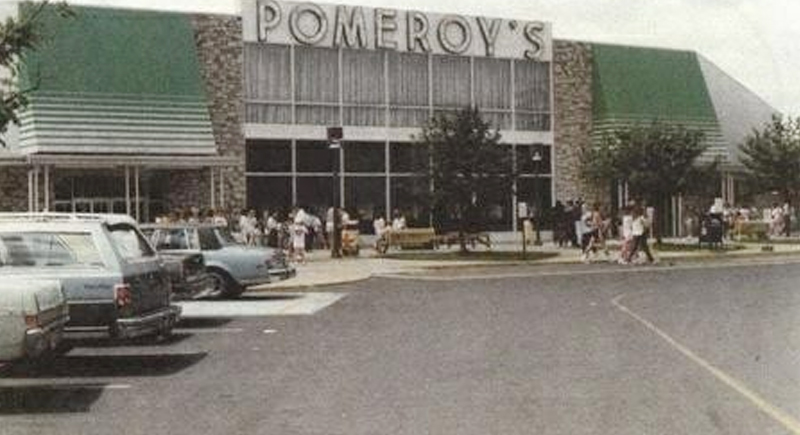
Pomeroy’s, in Pennsylvania and parts of the mid-Atlantic, never had national fame, but it didn’t need it. The store offered personalized service and dependable merchandise that kept local shoppers loyal. The Bon-Ton acquired it in 1987 and promptly dropped the Pomeroy’s branding. Malls that once housed the chain still bear architectural traces, though you'd have to squint to recognize them.
Stewart’s
Credit: Wikimedia Commons
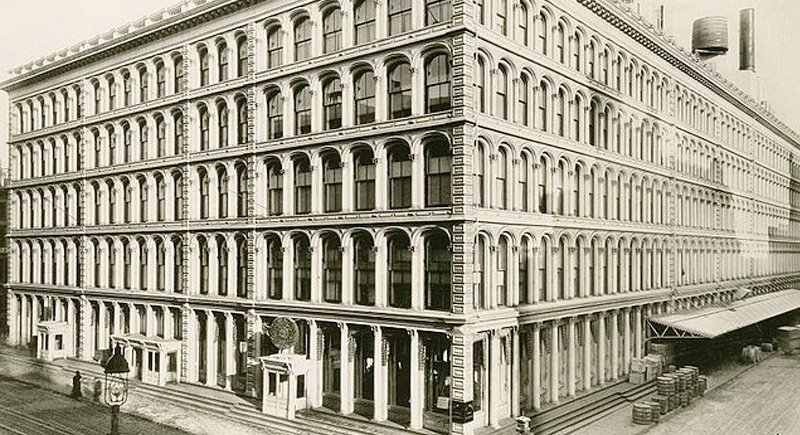
This chain specialized in steady service and clothing basics, with loyal customers throughout Maryland. The Baltimore-based Stewart’s made itself part of everyday life. Hecht’s acquired it in the late 1970s, which quickly phased out the name. These days, it’s a footnote in regional history books.