
Buying butter sounds easy enough—grab a stick and keep moving. But then you're at the dairy case, staring at a dozen options and wondering what any of it means. Is that gold foil pack actually better? What makes one "grass-fed" and another "European-style"? The labels don't exactly make it easier. To answer all these questions and more, we did the work (and the spreading) for you.
This article brings you the best grocery butters available and reveals the one that ultimately stole the show.
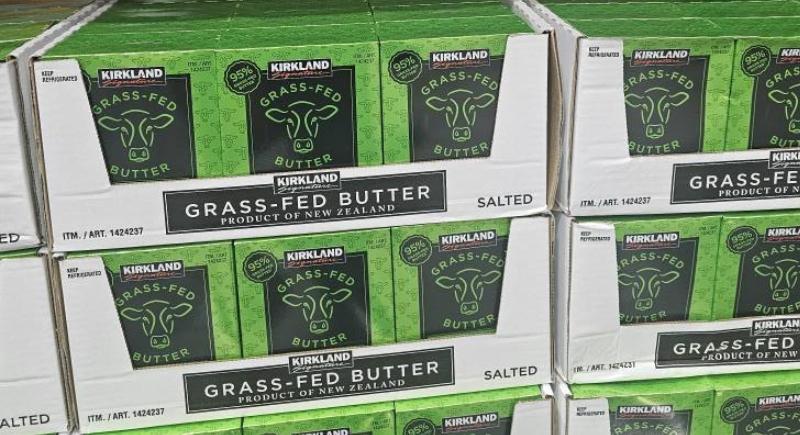
Kirkland Signature Grass-Fed Salted Butter
Credit: Facebook
Kirkland’s butter has a noticeably grassy flavor. It’s more herbal than creamy, which worked well on sourdough and with roasted vegetables, though it overpowered more delicate foods like plain toast. It's a strong-flavored option that doesn't blend into the background.
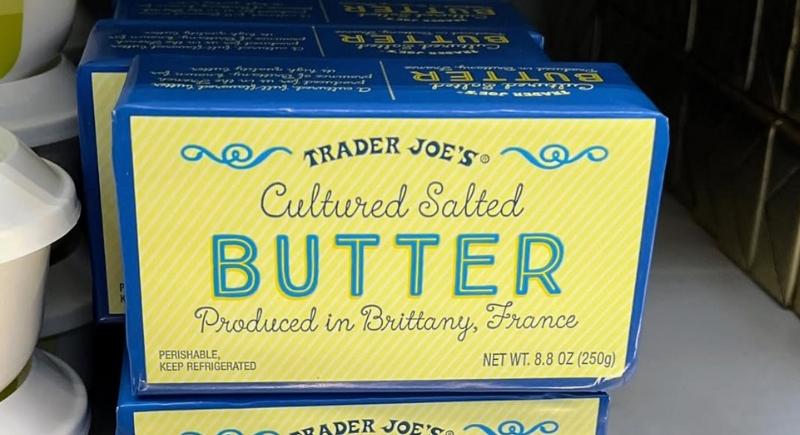
Trader Joe’s Cultured Salted Butter
Credit: Instagram
This butter stays oddly dense even at room temperature, but once it spreads, the payoff is a well-balanced flavor. It’s mildly sweet, distinctly salty, and has a clean finish. It delivers a solid performance on bread and noodles alike.
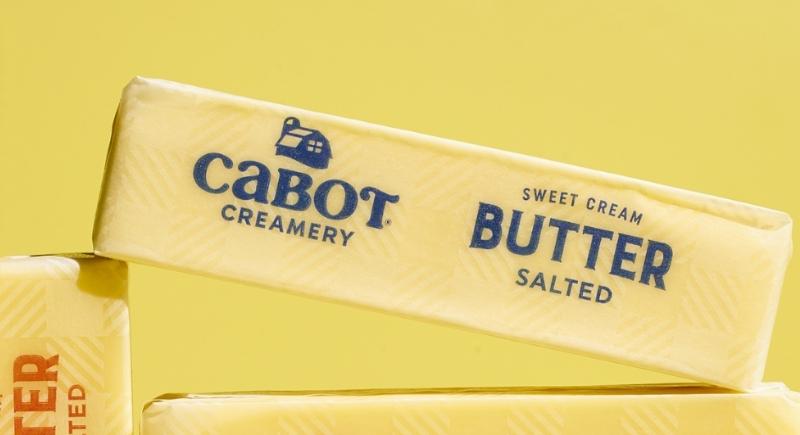
Cabot Salted Butter Quarters
Credit: Instagram
Cabot brings a creamy texture, balanced salt, and a fresh dairy flavor that’s as versatile as it is crowd-pleasing. It’s just solid, reliable butter that makes everything it touches better. It’s a must-have for your fridge.
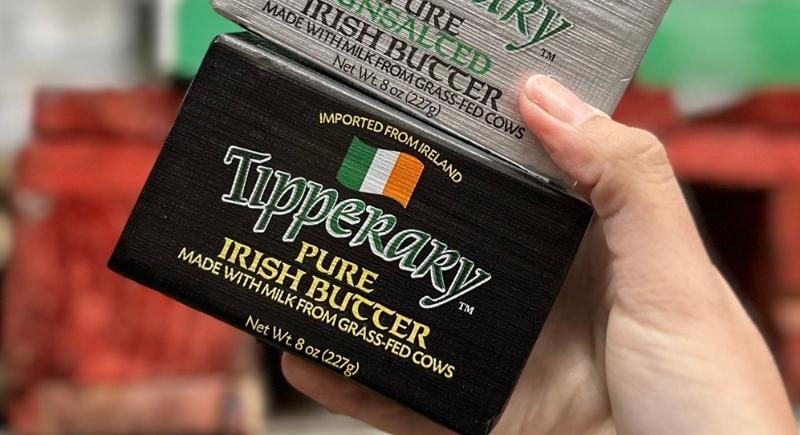
Tipperary Pure Salted Irish Butter
Credit: Instagram
Kerrygold Irish Butter has a soft texture and spreads easily, with a mild saltiness that doesn’t take over. There was a slight tang, which a few may like, though others might find it off-putting. It works fine in everyday cooking and on toast, but it didn’t leave a strong impression compared to others.
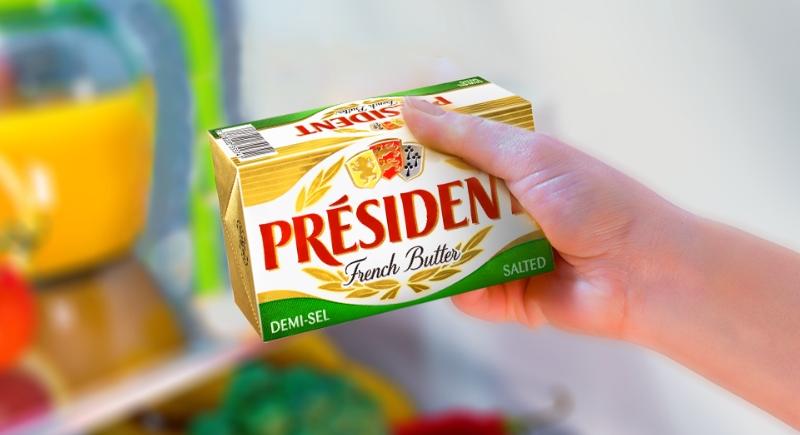
Président Salted Butter
Credit: Instagram
Président Salted Butter has a smooth, dense texture with a slightly higher fat content than many American butters, around 82%. It delivers a savory, well-rounded flavor that holds up well in cooking applications like scrambled eggs and sautéed vegetables. It’s also a bit slippery and oily, so probably not the best option for toast.
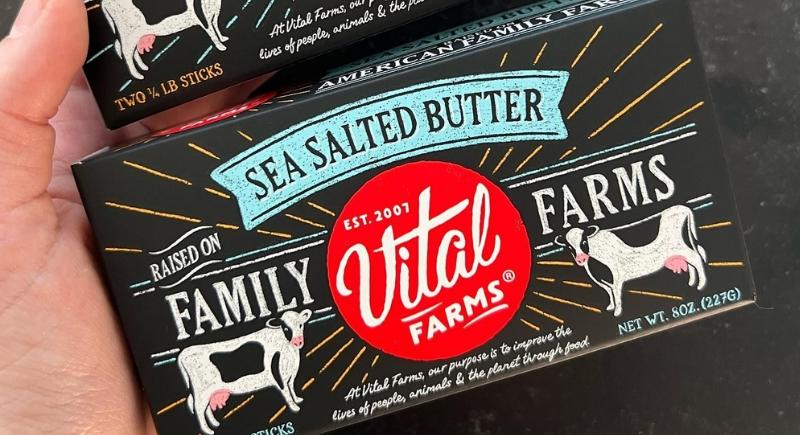
Vital Farms Pasture-Raised Salted Butter
Credit: Instagram
People are conflicted over this butter, partly because while some love its creamy feel and mellow flavor with a faint hint of olive oil, others find it too neutral, even bordering on vegetal. Having said that, it does play nicely in pie crusts and brownies.
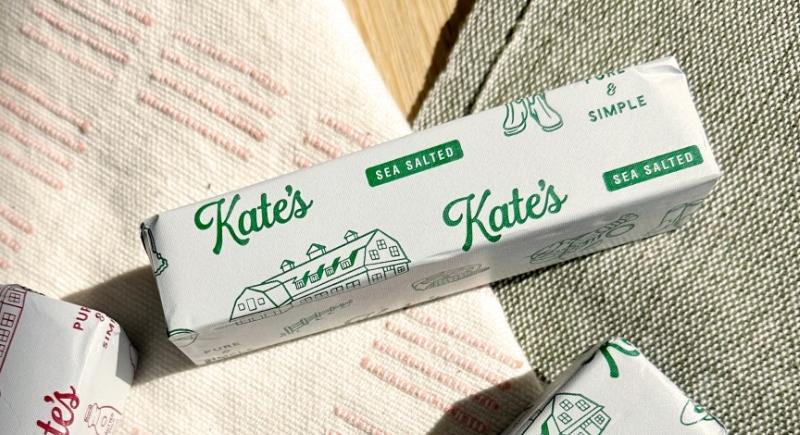
Kate’s Salted Butter
Credit: Instagram
Kate’s is all about comfort. It’s made with cream from cows not treated with rBST and has a clean, balanced flavor with no noticeable sourness or strong dairy notes. It has a firm but spreadable texture and a moderate salt level, which is versatile enough for both baking and everyday use.
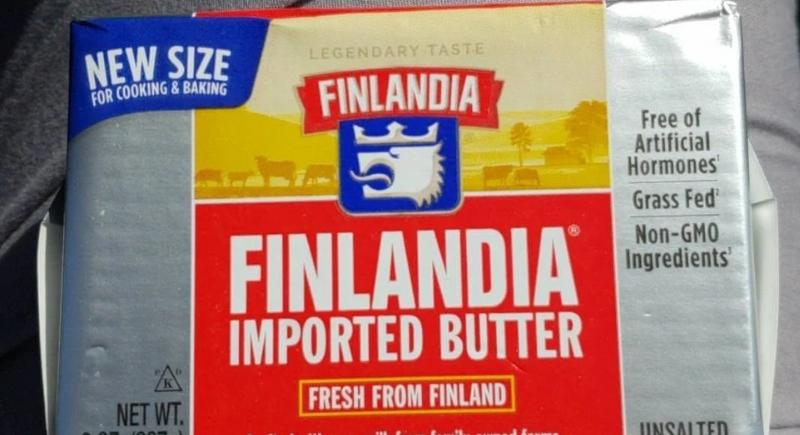
Finlandia Salted Butter
Credit: Reddit
Finland’s gift to the dairy case is quiet, clean, and criminally underrated. The butter is produced using milk from regional cooperatives in Finland, where cows are primarily pasture-fed and raised without artificial growth hormones. The 80% butterfat sits between American and European standards and provides a solid structure without the extra richness that can overwhelm lighter dishes.
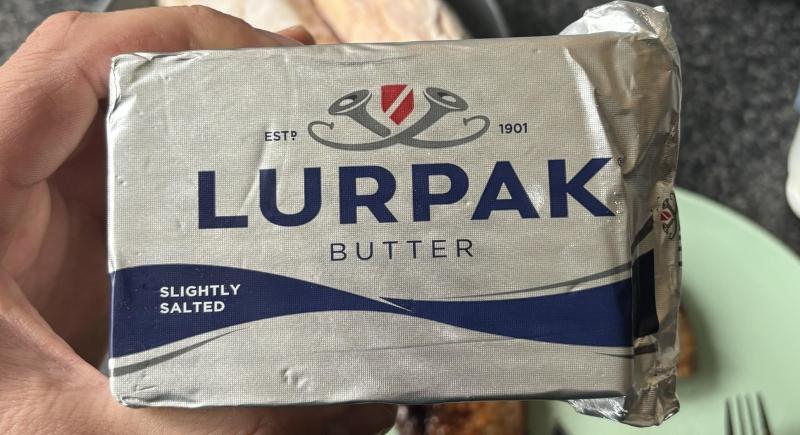
Lurpak Salted Butter
Credit: Reddit
If you want a butter that's more whipped cream than butter, this is the one to go with. Lurpak is a Danish butter with an 82% butterfat content and a reputation for its smooth, whipped-like texture. Its gentle acidity also works well on bread or as a base for compound butters.
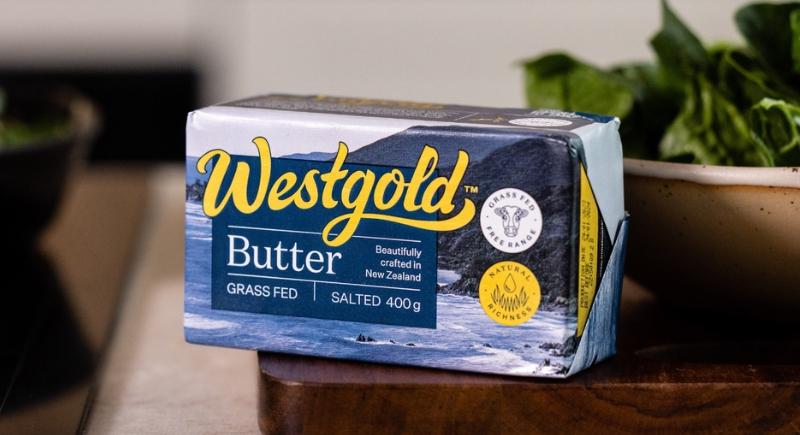
Westgold Salted Butter
Credit: Facebook
Westgold’s strong suit is its ultra-creamy consistency and restrained saltiness, the kind that goes well with popcorn and toasted dairy flavors. Some people think it could be saltier, but most love its balanced profile and pleasant, melt-in-mouth finish.
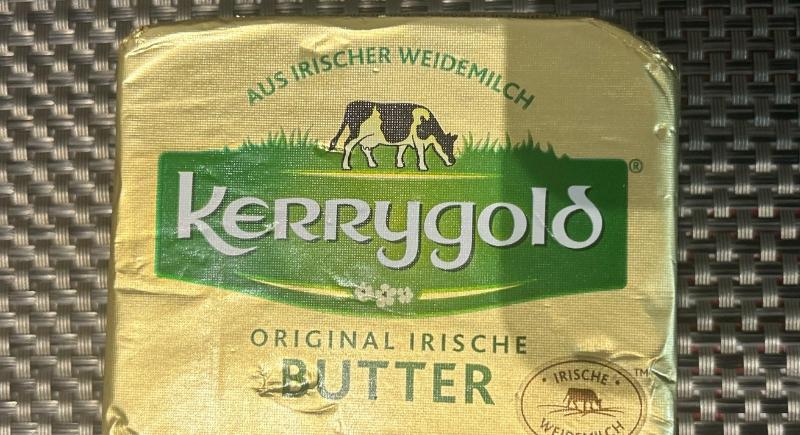
Kerrygold Irish Salted Butter
Credit: Reddit
Walk past the butter section, and it’s hard to miss Kerrygold—bright foil, deep color, and a reputation that usually holds up under scrutiny. It’s made with milk from grass-fed cows in Ireland and has a rich, pliable texture that softens quickly without losing structure.
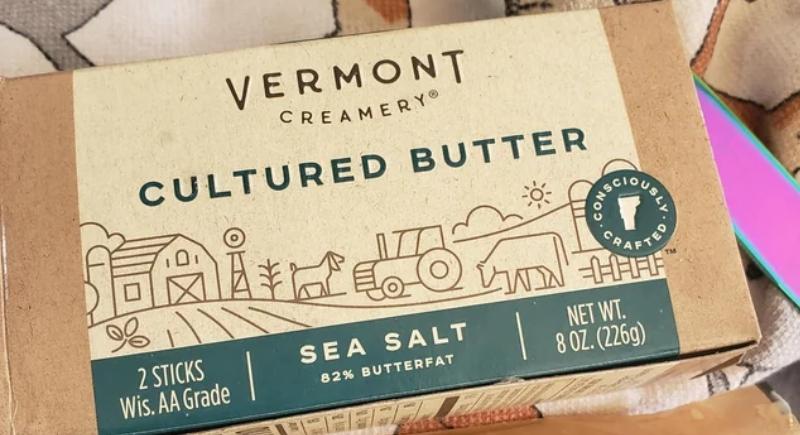
Vermont Creamery Cultured Butter with Sea Salt
Credit: Reddit
Vermont Creamery’s butter is known for its fermentation process, which gives it a pronounced tang similar to crème fraîche. It’s made with cream cultured for 16 to 18 hours, and carries a deep, slightly acidic flavor that lingers longer than standard sweet cream butters. The addition of coarse sea salt crystals gives texture and sharp, briny bursts that can elevate something as simple as a slice of bread or cooked greens. However, it's temperature-sensitive—too cold and it's crumbly; too warm and it softens fast.
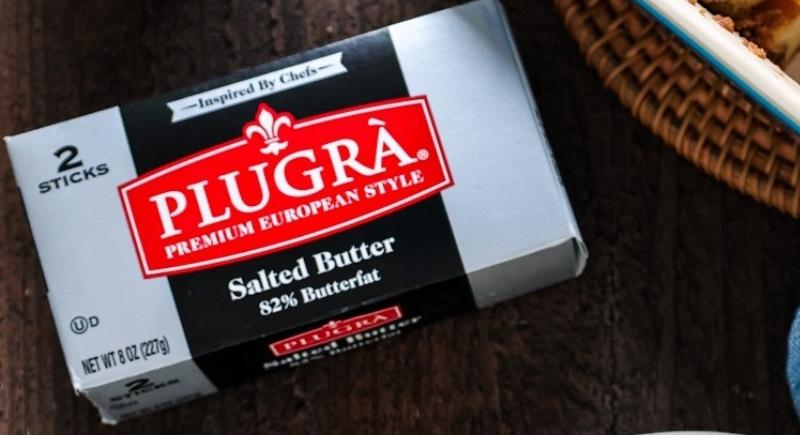
Plugrà European-Style Salted Butter
Credit: Instagram
You might not expect much from this unassuming pack, but Plugrà is low-key the legend of the dairy case. It’s denser than typical American varieties, so it slices clean and melts evenly. The salt level is balanced, not aggressive, and the flavor leans clean with a subtle richness that works equally well in savory and sweet dishes.
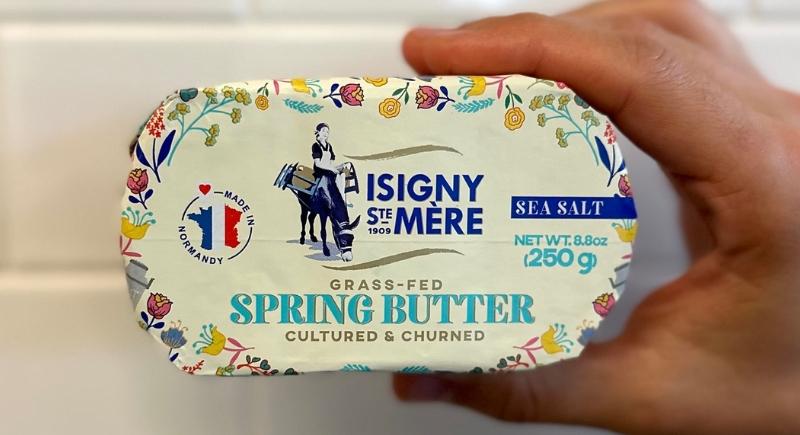
Isigny Ste Mère Salted Butter
Credit: Instagram
Once you spread Isigny Ste Mère, you'll see why this butter holds such a reputation. It’s produced in Normandy using milk from pasture-raised cows. It has a dense, velvety texture, while coarse Guérande sea salt crystals add noticeable crunch and a sharp hit of salinity. Its flavor develops gradually—subtle at first, then rich and slightly nutty, with a clean finish. While too assertive for baking, it excels as a table butter.
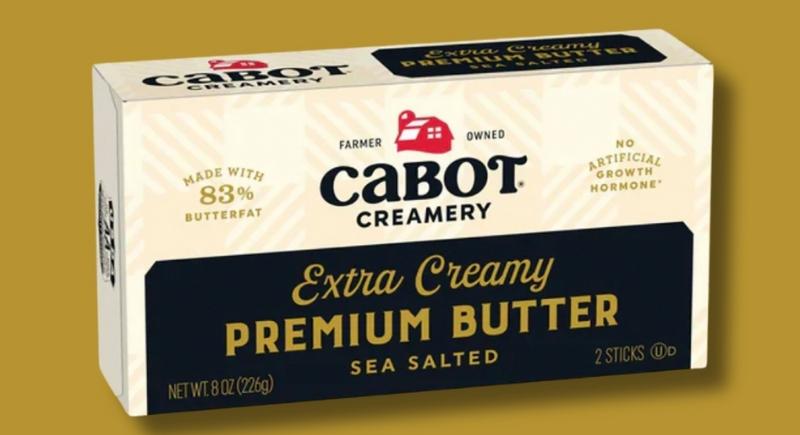
Cabot Extra Creamy Sea Salted Butter
Credit: Instagram
And finally, if you think all butter tastes the same, this one might change your mind. It has a super-rich 83% butterfat—yep, even creamier than a lot of fancy European butters. Cabot’s salted butter is award-winning and took “Best of Class” at the 2024 World Champion Cheese Contest. The best part is that you can usually grab it for under $4.