
The 1990s remind us of floppy disks, bulky CRT monitors, and the unmistakable sound of a dial-up internet connection. As computers became more common, so did a slew of myths. These misconceptions were fueled by media panic and a general fear of the unknown. Some of these myths were harmless and funny, while others caused unnecessary anxiety. Either way, they offer a fascinating look at how people perceive technology in a rapidly changing world. Let’s bust some myths!
The Y2K Bug Would Trigger the Apocalypse

Credit: Youtube
By the late ’90s, widespread panic suggested that when the year 2000 arrived, computers would fail to process the date change from ’99 to ’00. It was believed that this glitch would cause planes to fall, banks to collapse, and chaos to reign. In reality, programmers worked tirelessly to prevent catastrophe, and when midnight struck, the world kept spinning.
Opening an Email Could Instantly Fry Your Computer

Credit: pexels
A terrifying rumor spread that simply reading an email—especially one with subject lines like “Good Times”—could instantly infect and destroy your computer. While viruses were a real threat, they required users to open an attachment or click a malicious link.
Overworked Computers Could Spontaneously Catch Fire
Credit: freepik
Some people believed that leaving a computer on for too long would cause it to overheat and burst into flames. Sure, overheating can damage internal components, built-in cooling systems, and hardware protections prevent computers from becoming fire hazards.
The Internet Was Just a Passing Fad
Credit: freepik
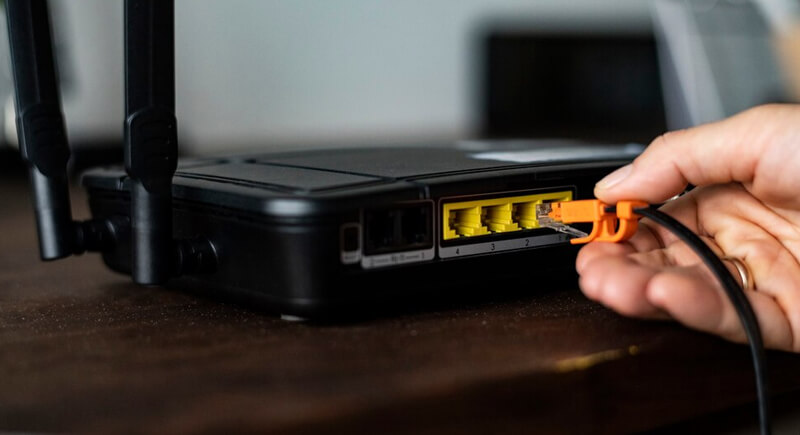
Believe it or not, some skeptics in the early ’90s dismissed the internet as a short-lived trend and doubted its long-term impact. They claimed it would never replace traditional communication or commerce. Decades later, the internet is essential to nearly every aspect of life.
More Megahertz Meant More Power
Credit: freepik
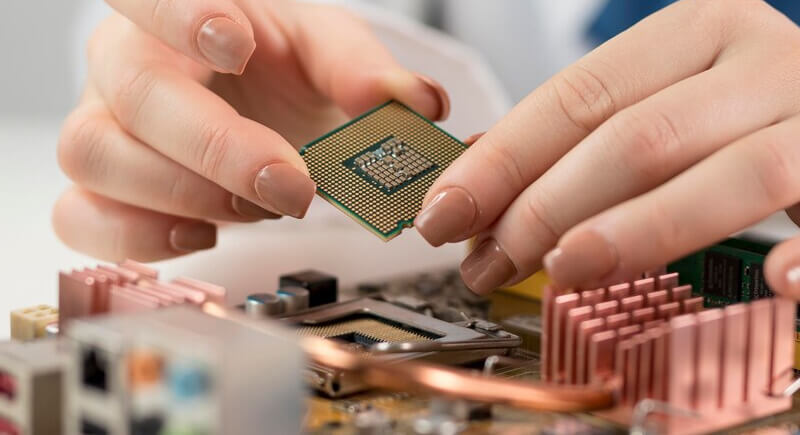
Early computer buyers believed that the faster the megahertz (MHz), the faster and better the machine. While processor speed does play a role in performance, other factors—like chip architecture, cache memory, and system optimization—are equally important.
The “Any Key” Confusion

Credit: freepik
Some users genuinely panicked when prompted to “Press any key to continue,” and would frantically search their keyboards for a literal “Any” key. This hilarious misunderstanding exposed how non-tech-savvy users struggled with early computer prompts, and showed the need for clearer, more intuitive language in user interfaces.
Computers Would Kill Books Forever

Credit: freepik
With the rise of digital media, many feared that traditional books would become obsolete and replaced entirely by e-books and computer screens. It’s true that digital reading has grown significantly, physical books remain wildly popular–at least for now.
Viruses Could Physically Destroy Your Hardware
Credit: freepik
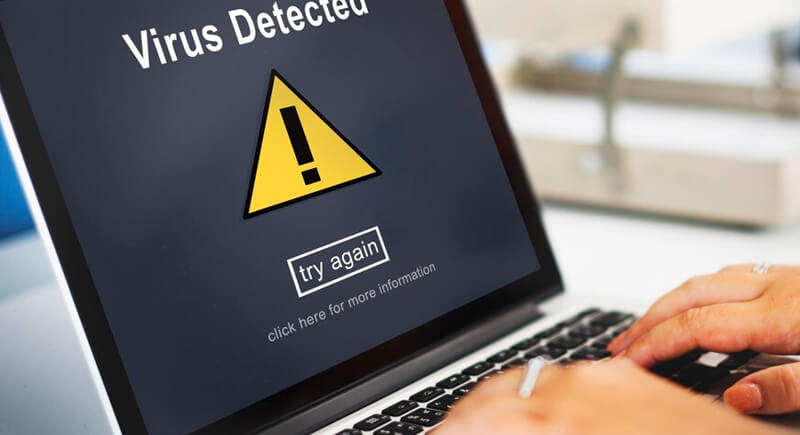
Some people feared that a computer virus could somehow fry hardware, permanently damage hard drives, or even make computers explode. But the truth is that viruses can corrupt files, erase data, and cause system failures, but they can’t physically destroy hardware.
The “Stoned” Virus Was a Pro-Drug Conspiracy
Credit: Youtube
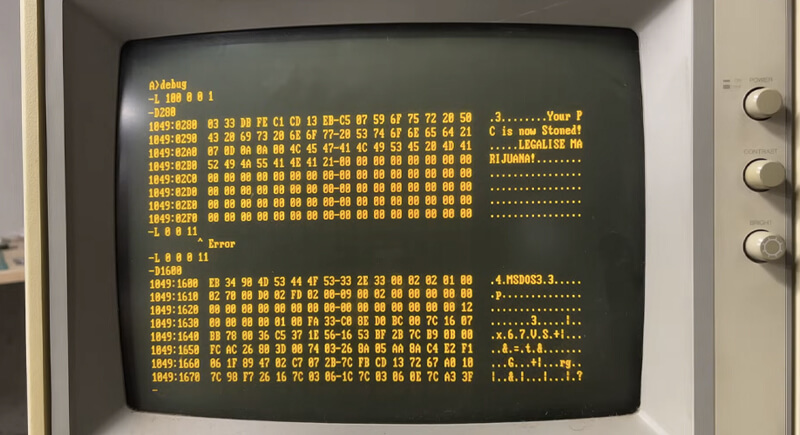
When the "Stoned" virus infected a computer, it displayed the message, “Your PC is now Stoned,” leading some to believe it was a hidden campaign to promote marijuana use. In reality, it was just a boot sector virus designed to be a nuisance rather than a secret pro-cannabis statement.
Computers Were Only for Nerds

Credit: freepik
In the early ’90s, owning a computer often meant you were a geek or a programmer. Computers were seen as complicated machines meant only for tech enthusiasts. That perception changed quickly as home PCs became essential for everything from work to gaming in the digital age.
The Paperless Office Was Just Around the Corner
Credit: freepik
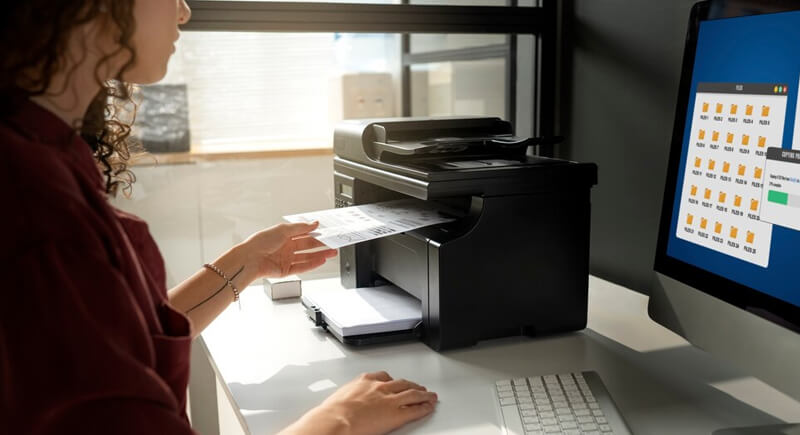
As computers became common in workplaces, many believed that offices would soon go 100% digital and the need for paper would be eliminated. Ironically, easy access to printers actually increased paper use in many offices. Decades later, the dream of a paperless office remains just that—a dream.
The AF/91 Virus Would Devastate Systems

Credit: freepik
On April 1, 1991, a satirical news article claimed that the AF/91 virus had been developed as a cyberweapon capable of devastating computer systems worldwide. Despite being an obvious April Fools' joke, some people took it seriously.
The Michelangelo Virus Would Wipe Out the World’s Data
Credit: Youtube
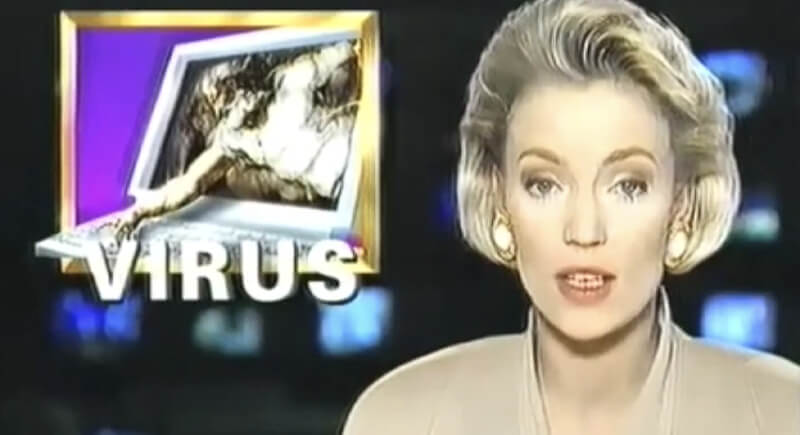
Discovered in 1991, the Michelangelo virus was programmed to activate on March 6 each year, and allegedly erase hard drives worldwide. Media outlets hyped it up as a potential digital catastrophe, but when March 6 arrived, very few infections were reported.
Software Could Magically Double Your RAM
Credit: Youtube
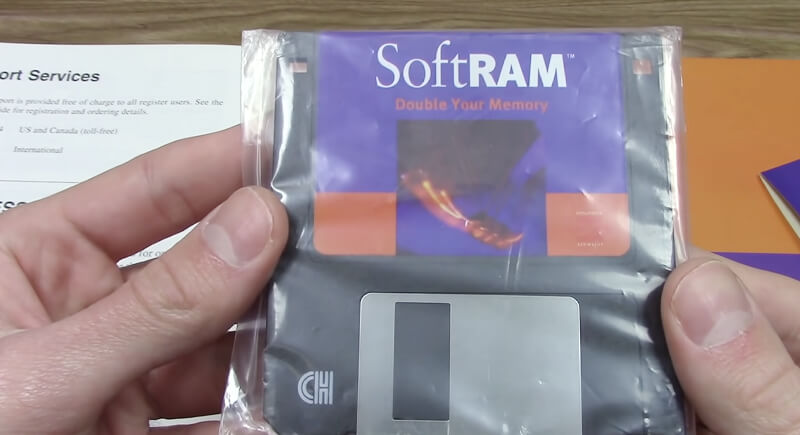
In the mid-’90s, software like SoftRAM claimed it could double a computer’s RAM without any hardware upgrades. Excited users bought into the hype, only to discover that it was a scam. The Federal Trade Commission later stepped in and charged the company with false advertising for selling a product that did absolutely nothing.
Magnets Could Erase Your Entire Hard Drive Instantly

Credit: Wikimedia Commons
In the 1990s, many thought magnets could instantly erase your entire hard drive. People feared that just placing a magnet near a computer could wipe out all your data. In reality, the hard drives of that era were built to resist magnetic fields, meaning those powerful little fridge magnets weren’t a threat to your precious files.
Screensavers Were Necessary to Prevent Permanent Screen Damage

Credit: iStockphoto
Remember when people swore screensavers were a must to avoid permanent screen damage? The rumor in the 1990s was that leaving a static image on your monitor too long would cause it to burn into the screen forever. While it was a genuine concern for old CRT monitors, modern screens were built to handle static images just fine. Screensavers were more about fun than function.
Cell Phones Would Blow Up Gas Stations

Credit: iStockphoto
For years, people warned that using a cell phone near a gas pump would trigger an explosion. The myth spread fast, fueled by chain emails and dramatic news stories. In reality, there was no evidence to suggest that phones caused gas station fires. Static electricity was the real culprit.
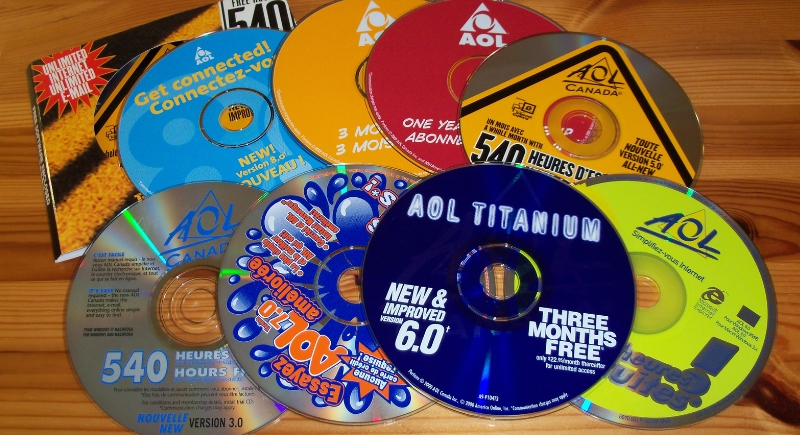
AOL Was “The Whole Internet”
Credit: Wikimedia Commons
Many users from the 1990s genuinely thought AOL was the internet itself. Logging off meant you were offline from everything. Free trial CDs reinforced the illusion, making it seem as though AOL owned cyberspace. Search engines, websites, and email services beyond AOL existed, but many people never ventured outside that bubble.